 Gandhara Art
Features
The figures in Gandhara art are portrayed with strong Hellenistic influences, showing Greek influences in their hairstyles, clothing, and poses. At the same time, the sculptures also reflect Indian artistic traditions, such as the use of the halo and the depiction of the Buddha as a compassionate and peaceful figure.
"Minute attention was given to the physical features like curly hair and muscles."
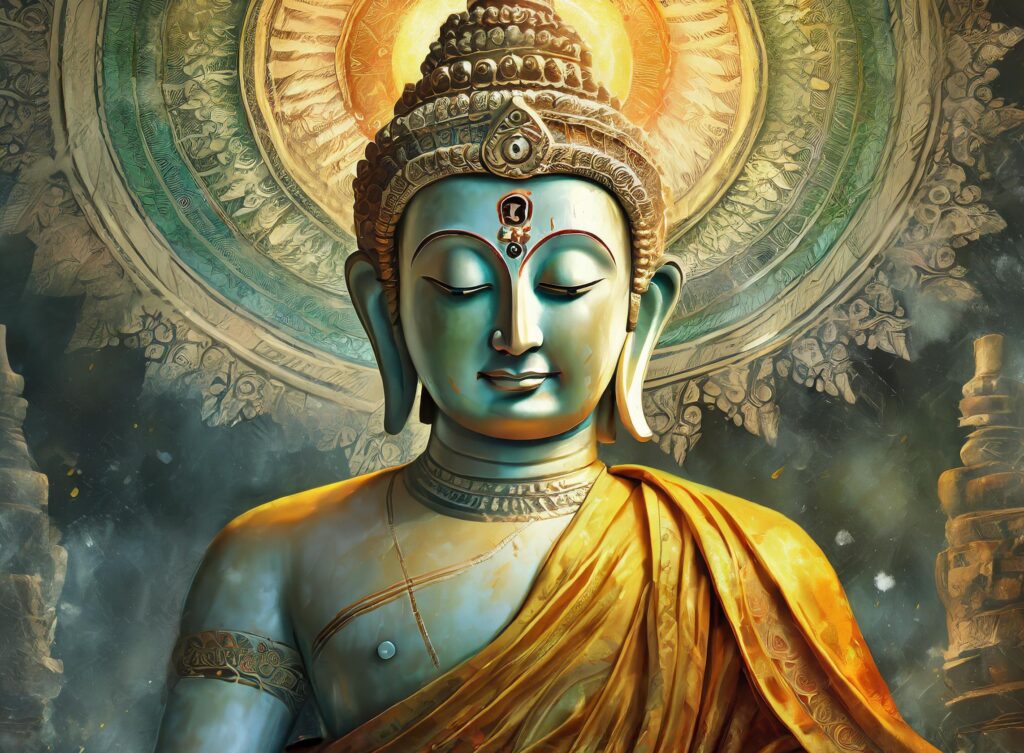
One of the most famous examples of this art is the statue of the Buddha, which is widely considered one of the finest examples of Buddhist sculpture. The statue shows the Buddha in a serene pose, with an expressive face and delicate features. The statue captures the essence of Buddhist teachings, which emphasize the importance of peace, compassion, and wisdom.
Buddha sculpture has following features in Gandhara School
- Abahayamudra: Don’t fear
- Dhyanamudra: Meditation
- Dharmachakramudra: A preaching mudra
- Bhumisparshamudra: Touching the earth.
The art had a significant impact on the development of Buddhist art and iconography. The fusion of Greek, Roman, and Indian cultural influences in Gandhara art paved the way for the spread of Buddhism beyond India, influencing the development of Buddhist art in Central Asia, China, and Japan.
"Gandhara art is a prime example of the artistic and cultural exchange that occurred along the Silk Road."
Comparison of Gandhara Art and Mathura Art
| School of Art | Gandhara | Mathura |
| Content | Greek and Indian | Indian |
| Religion | Buddhism | Buddhism, Hinduism, Jainism |
| Appearance | Calmness | Delighted |
| Face | Bearded | Shaven face |
| Minute Features | Longer eyes, Short ear lobes, sharp nose | Longer ear lobes, thicker lips, wider eyes |
| Color | Grey sandstone | Red stone |
| Age | Older | Younger |
I hope you would have enjoyed reading the article about another art form.
Read: Art and Culture