Proposed by German geologist Charles Kenneth Kober in 1925, the Geosyncline Theory explains the formation of major mountain ranges through large-scale sedimentation, subsidence, and subsequent orogenic compression driven by Earth's thermal contraction.
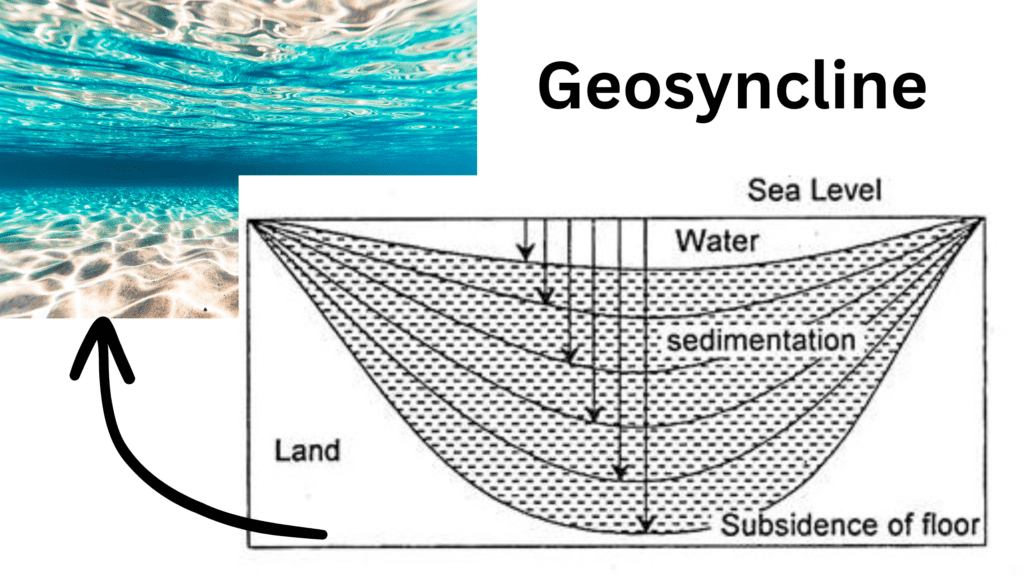
What is a Geosyncline?
First introduced conceptually by Eduard Suess in 1883, geosynclines are long, wide, and shallow depressions of water bordered by rigid masses called tablelands (cratons), while Kober referred to the mobile water zone itself as the orogen. Huge quantities of eroded sediments accumulate within these basins over millions of years.
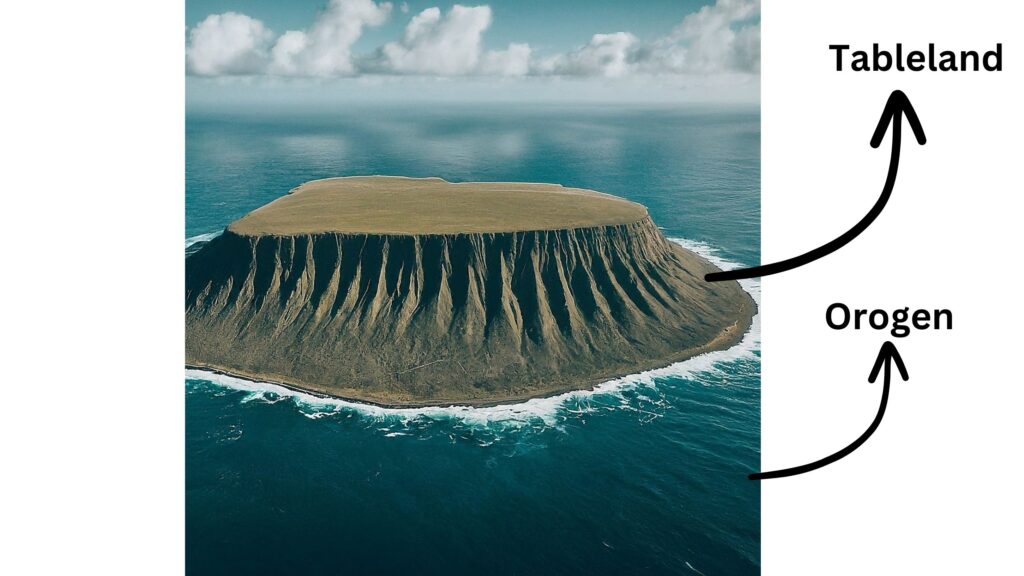
Three Stages of Kober’s Geosynclinal Theory
1. Lithogenesis (Creation, Sedimentation, and Subsidence)
Sediments accumulate continuously at the basin floor. The increasing weight of these deposits causes the underlying crust to bend downward in a process called subsidence, deepening the geosyncline and allowing even greater accumulation over millions of years.

2. Orogenesis (Mountain Building and Compression)
As sedimentary layers depress deep toward the mantle, underlying mantle material flows outward (isostatic adjustment), exerting intense lateral compressive forces from surrounding tablelands. This squeezes, folds, and uplifts the compacted strata into towering mountain ranges (e.g., Randtengebirge and Mittelgebirge flanking a median mass or Zwischengebirge).
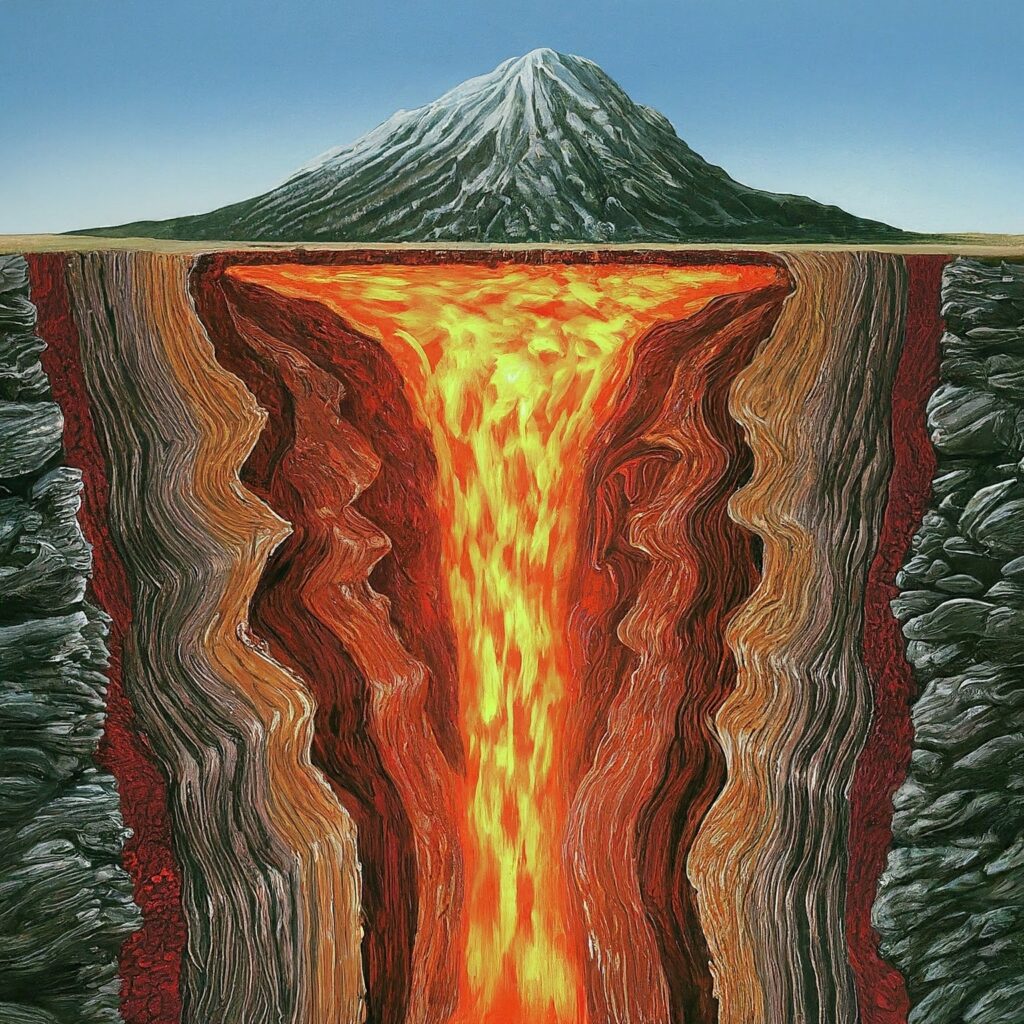
3. Gliptogenesis (Denudation and Weathering)
The final stage involves the continuous subaerial weathering, erosion, and denudation of newly formed mountains, gradually lowering their relief over geological timescales.
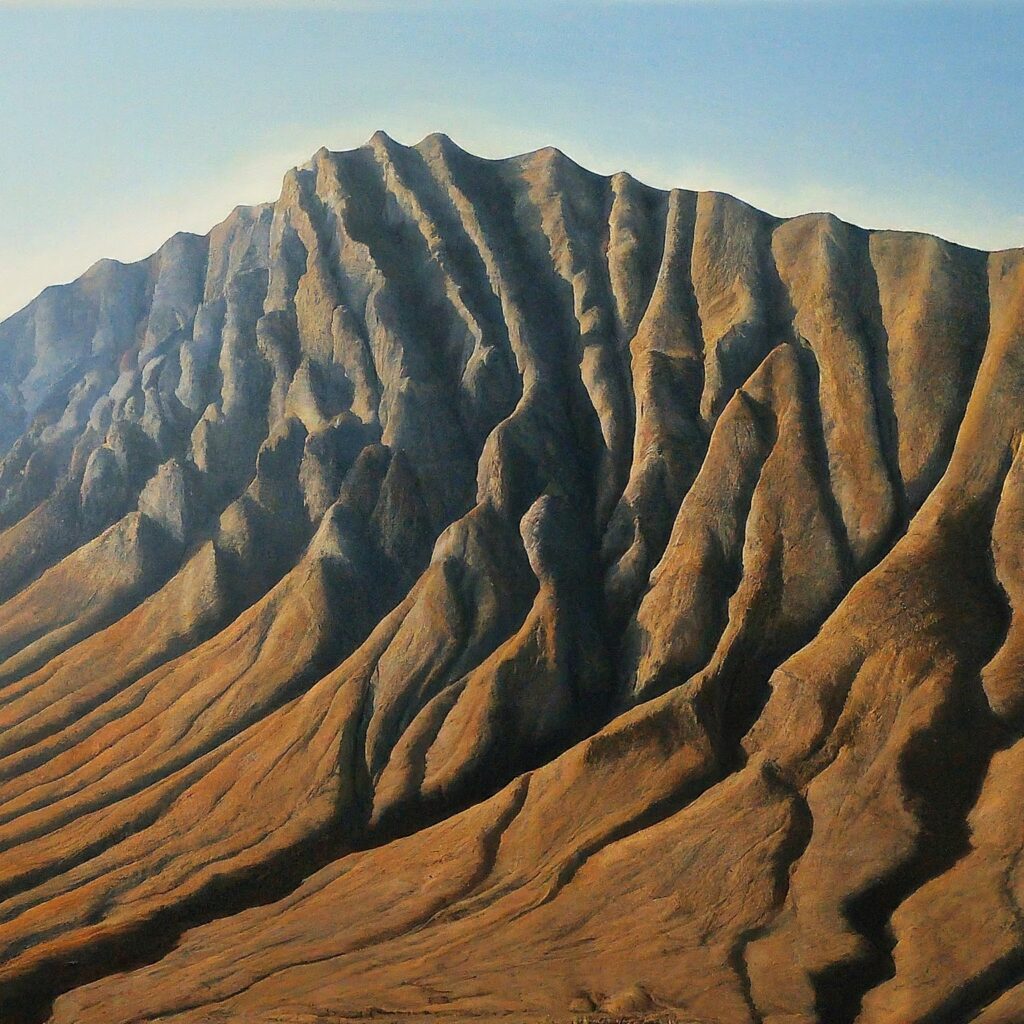
Kober's Theory vs. Plate Tectonic Theory
| Criteria | Geosyncline Theory of Kober | Plate Tectonic Theory |
|---|---|---|
| Driving Mechanism | Thermal contraction of the Earth, leading to subsidence and lateral compression | Convection currents in the mantle driving lithospheric plate movements |
| Geological Focus | Sedimentation, downwarping, folding, and vertical/lateral uplift | Plate boundaries (convergent, divergent, transform) and subduction |
| Scope | Primarily explains west-east trending fold mountain ranges | Comprehensive global framework explaining ocean basins, trenches, volcanism, and earthquakes |
Limitations and Evaluation
- Inadequate Force: Thermal contraction of the Earth does not generate sufficient compressive energy to uplift massive mountain chains.
- Lack of Plate Mechanics: The theory predates modern understanding of lithospheric plates and seafloor spreading.
- Geographic Limitations: While it accounts well for west-east trending ranges (like the Alps and Himalayas), it struggles to explain north-south trending orogens like the Rockies and Andes.
Conclusion
Although largely superseded by Plate Tectonics, Kober's Geosyncline Theory was a monumental milestone in geomorphology, enriching our understanding of sedimentary basins, orogenic cycles, and economic mineral distribution.