The energy crisis refers to the increasing shortage of energy resources worldwide. As population expands and technology advances, energy demand surges. However, heavy reliance on non-renewable fossil fuels like coal, oil, and natural gas has led to rapid depletion, high economic costs, power shortages, and severe environmental damage.
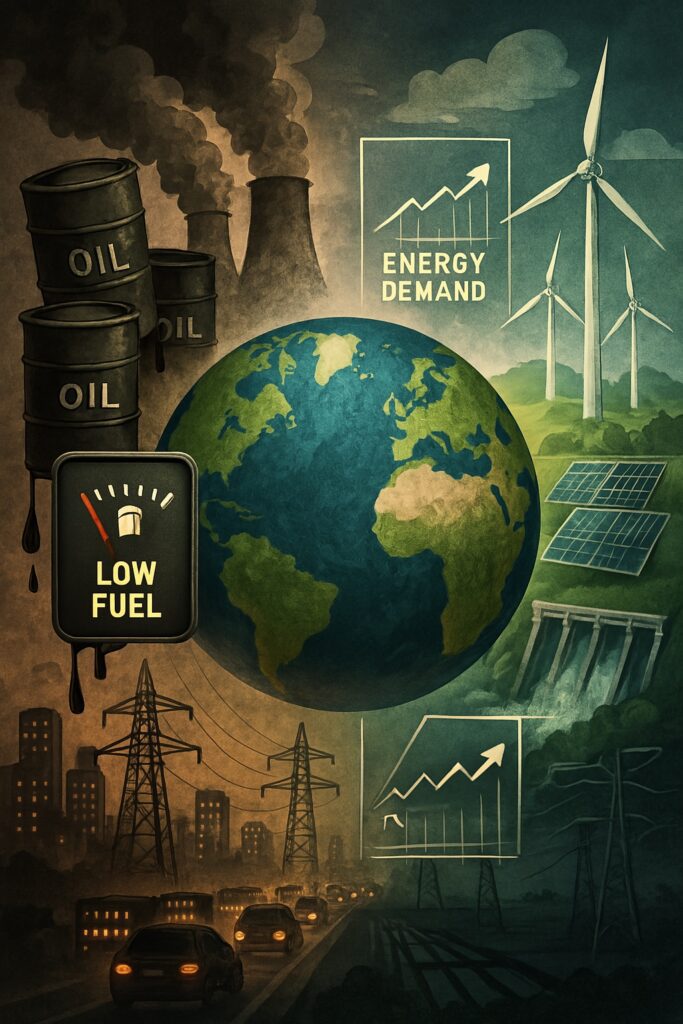
In recent years, the world has faced an escalating energy crisis characterized by rising demands, depleting reserves, and environmental sustainability concerns. While presenting significant challenges for governments and economies, it also drives innovation, sustainable alternatives, and a complete reshaping of the global energy landscape.
Causes of the Energy Crisis
- Growing Energy Demands: Expanding global population, rapid urbanization, industrialization, and technological advancements drastically strain existing energy supplies.
- Depletion of Fossil Fuels: Finite reserves of coal, oil, and natural gas are dwindling rapidly, making extraction increasingly difficult and costly.
- Environmental Impact: The burning of fossil fuels generates massive greenhouse gas emissions driving climate change, necessitating an urgent transition to clean energy.
Consequences of the Energy Crisis
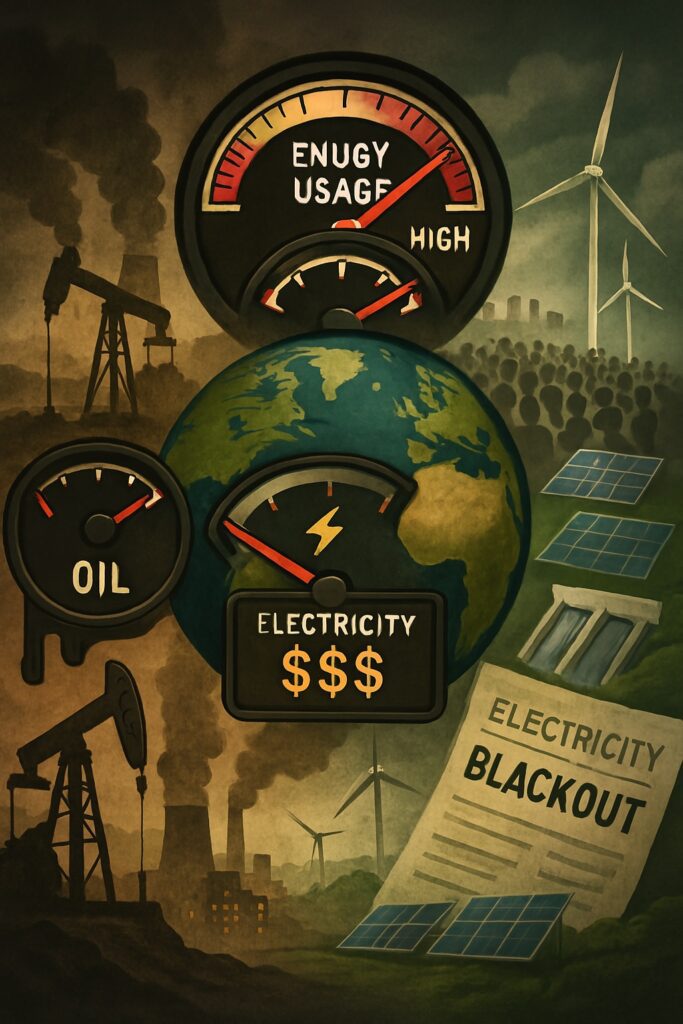
- Volatile Energy Prices: Scarcity leads to erratic price fluctuations, straining industries, consumers, and long-term economic planning.
- Geopolitical Tensions: Competition for limited energy reserves and strategic transport routes fuels international conflicts and destabilizes regions.
- Environmental Degradation: Fossil fuel dependence causes air pollution, water contamination, respiratory illness, and biodiversity loss.
Solutions to Mitigate the Energy Crisis
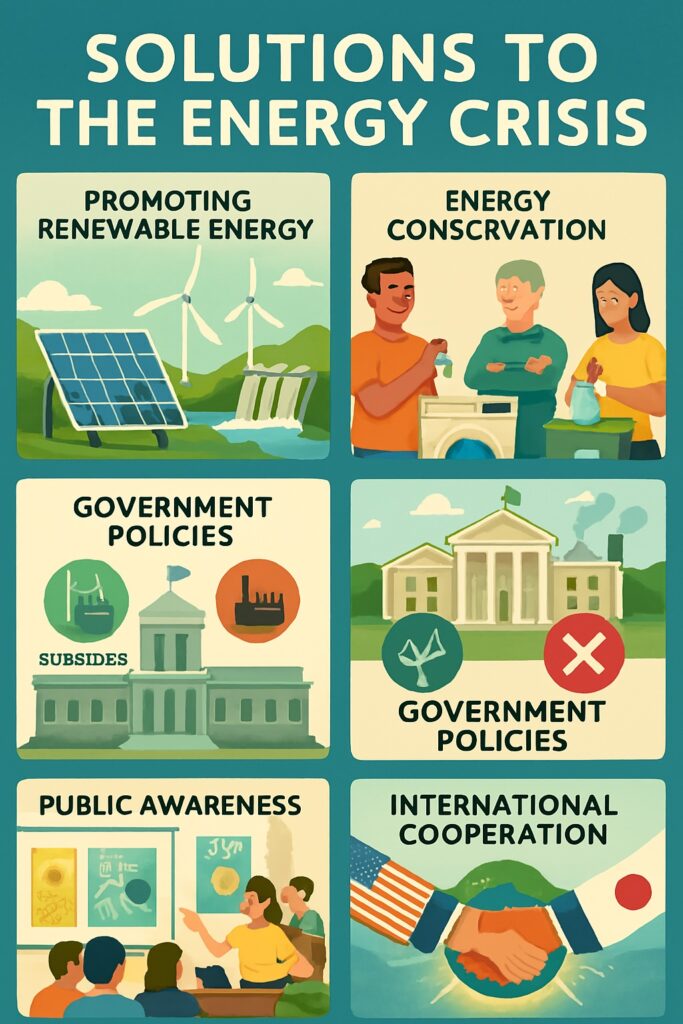
- Renewable Energy Transition: Prioritizing research, development, and deployment of solar, wind, hydro, and geothermal power.
- Energy Efficiency Measures: Enhancing residential, commercial, and industrial efficiency using smart grids, improved insulation, and efficient appliances.
- Grid Modernization and Storage: Upgrading power grids with advanced battery storage systems to handle renewable energy intermittency.
- Diversification of Energy Sources: Reducing single-source dependency by combining renewables, nuclear power, and cleaner technologies like natural gas.
- Public Awareness and Policy Support: Implementing supportive government policies, carbon pricing, and incentives for green investments.
Conclusion
The energy crisis requires immediate global collaboration. Transitioning to renewable energy, driving efficiency, modernizing grids, and implementing supportive policies will pave the way for a secure, sustainable, and economically viable energy future.