The Geographical Basis of Indian Federalism is an essential tool to understand India's unique political system. As the world's largest democracy, India’s federal structure—comprising 28 states and 8 Union territories—emphasizes regional representation and decentralization of power.
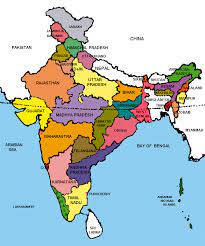
The Geographical Basis of Indian Federalism
The geographical foundation of Indian federalism is rooted in the country's diverse cultural, linguistic, and religious identities shaped by historical kingdoms and regions. The Constitution of India divides powers between the central government (handling defense, foreign affairs, and communication) and state governments (managing education, health, and agriculture). Furthermore, the federal system permits the reorganization and creation of new states, such as Telangana in 2014 and the reorganization of Jammu and Kashmir in 2019.
Challenges to Indian Federalism
Despite its strengths, Indian federalism confronts significant challenges, including regional imbalances where certain states experience greater development than others, sparking demands for greater autonomy and resource control. Additionally, inter-state disputes regarding resource allocation, water sharing, and territorial claims continue to cause friction.
Conclusion
The geographical basis of Indian federalism successfully protects regional identities while maintaining a strong center. Addressing regional imbalances and inter-state friction remains vital for a stable and effective governance framework.