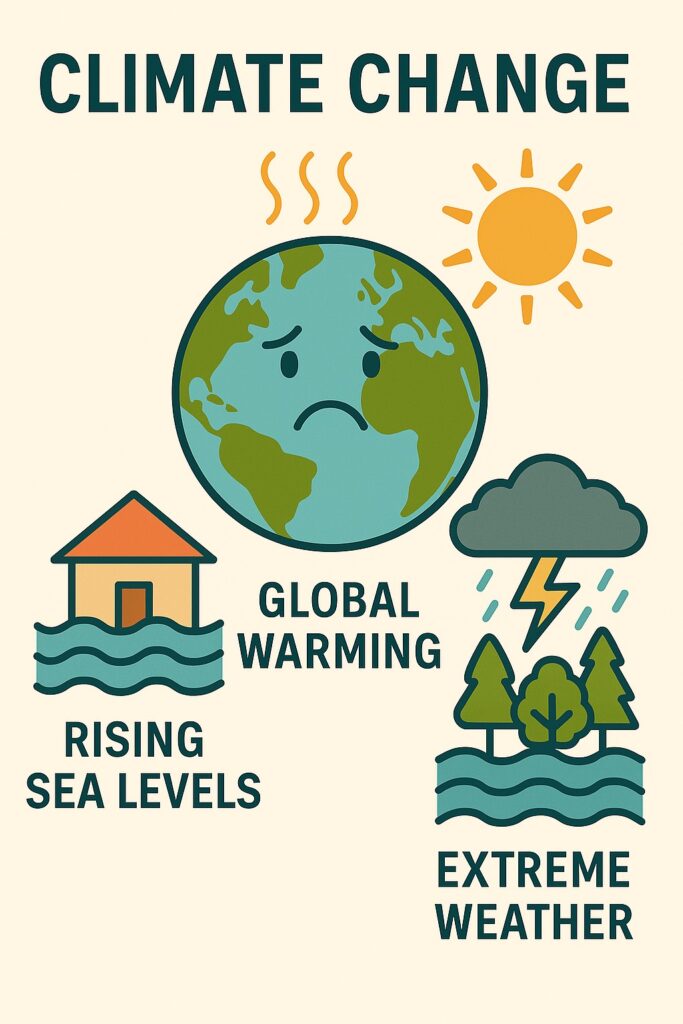
Global Climate Change represents one of the most critical environmental challenges of our era, referring to long-term shifts in average global temperatures driven largely by rising greenhouse gas emissions from fossil fuel combustion and deforestation.
What Causes Climate Change?
Modern climate change is primarily triggered by the accumulation of greenhouse gases trapping heat in the atmosphere, notably:
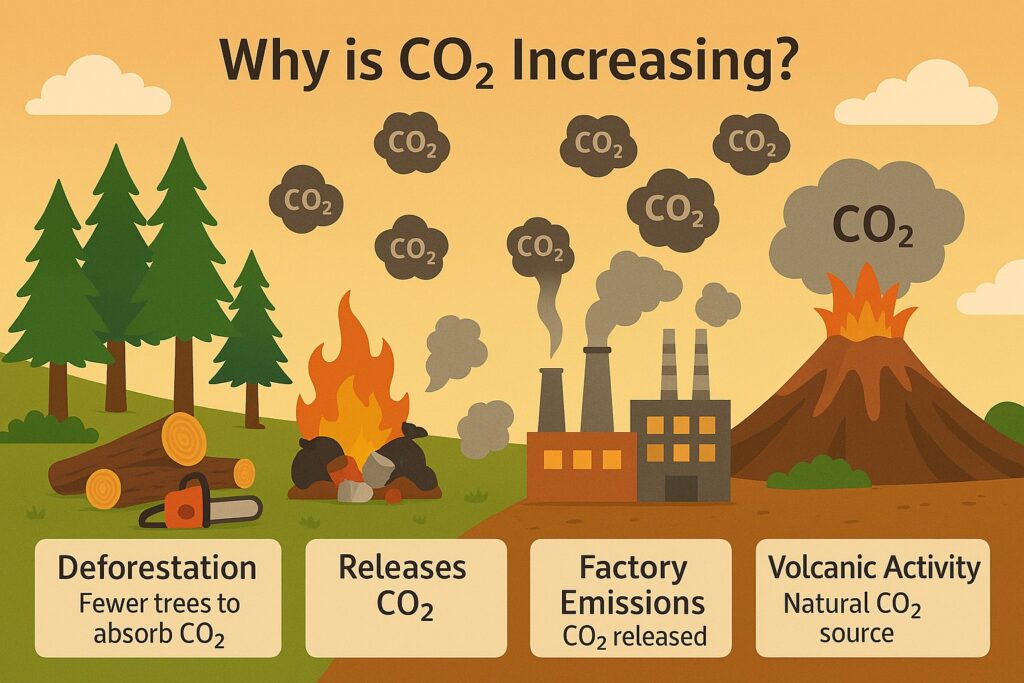
- Carbon Dioxide (CO₂): Released from burning fossil fuels like coal, oil, and natural gas.
- Methane (CH₄): Generated from agricultural activities and livestock.
- Nitrous Oxide (N₂O): Emitted by industrial processes and fertilizers.
Global Warming Dynamics
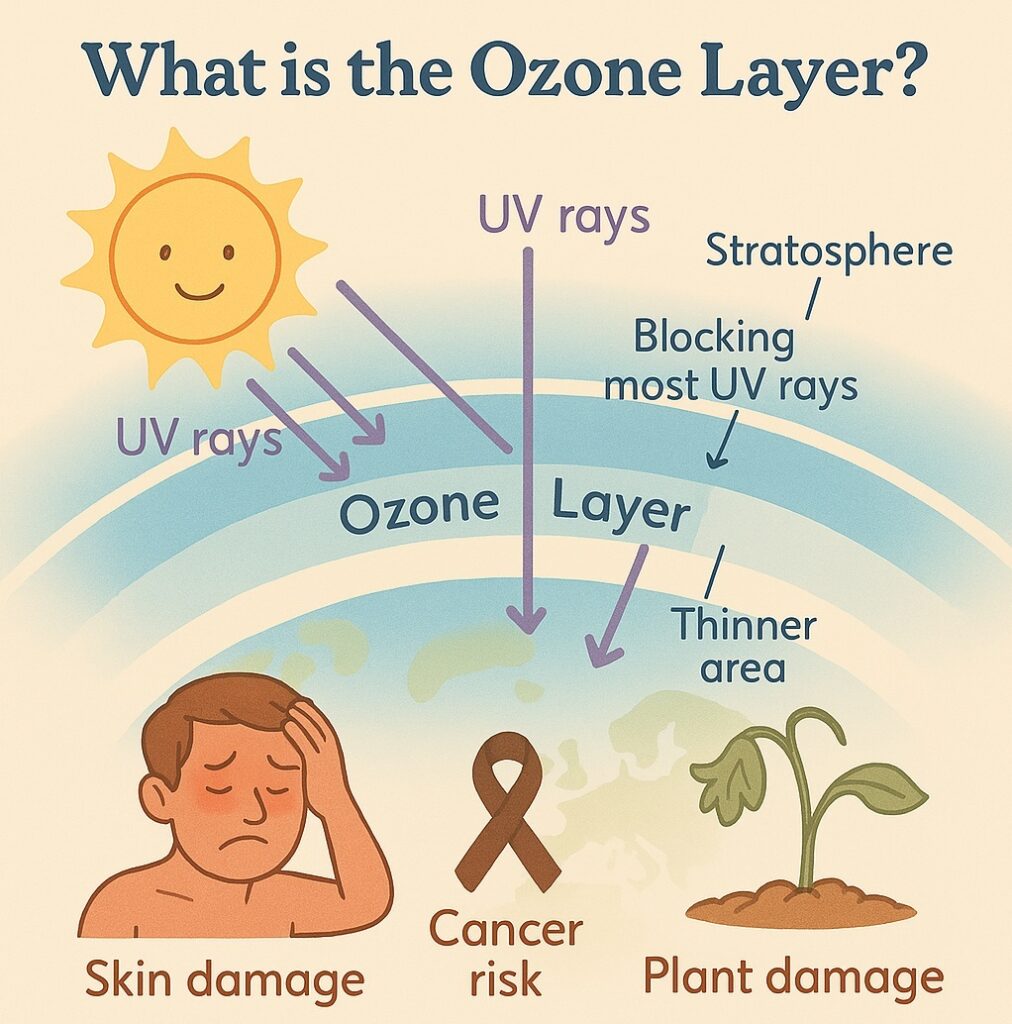
Global warming describes the gradual rise in Earth's average temperature driven by two primary mechanisms: thinning of the stratospheric ozone layer and rising atmospheric carbon dioxide concentrations.
1. The Role of the Ozone Layer
Situated in the stratosphere, the ozone layer blocks harmful ultraviolet (UV) radiation. Thinning of this layer lets in more UV rays, increasing surface temperatures and health hazards like skin cancer.
2. The Greenhouse Effect of Carbon Dioxide
CO₂ acts like a thermal blanket, letting sunlight in while trapping outgoing heat. Over the past century, atmospheric CO₂ has risen significantly, elevating global temperatures.
Consequences of Global Climate Change
- Rising Sea Levels: Melting polar ice caps threaten coastal cities and low-lying island nations with inundation.
- Extreme Weather Events: Increased frequency and intensity of hurricanes, droughts, and severe heatwaves.
- Altered Precipitation Patterns: Triggering unseasonal droughts in some regions and severe flooding in others.
- Biodiversity Loss: Habitat shifts threatening species survival and disrupting delicate ecosystems.
- Agricultural and Food Security Risks: Lower crop productivity endangering global food supplies.
Human Activities and Mitigation Strategies
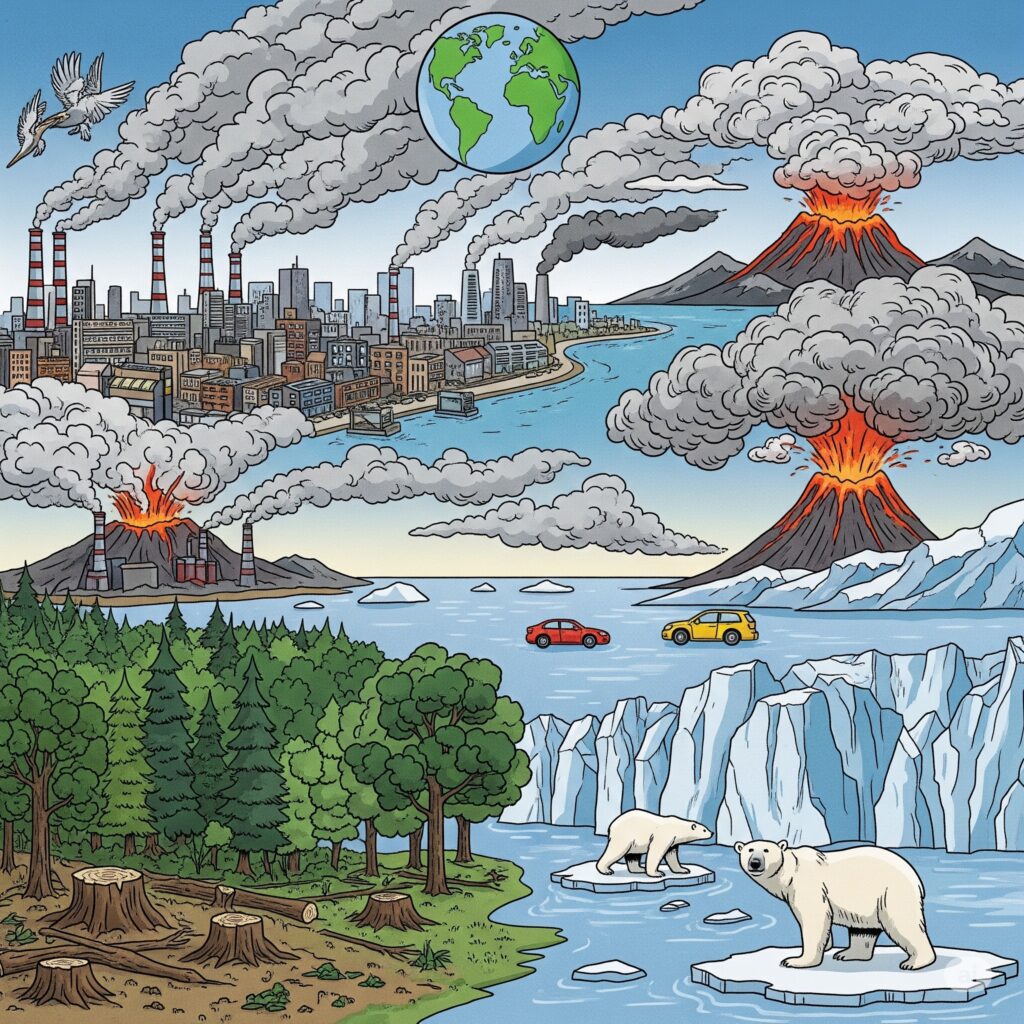
With human activities identified as the principal driver, addressing climate change requires concerted global action:
- Reducing Emissions: Transitioning swiftly to renewable energy sources like wind and solar power alongside energy-efficient technologies.
- Forest Conservation: Protecting and restoring carbon-sink forests.
- Climate Adaptation: Upgrading community and physical infrastructure resilience.
- International Cooperation: Enforcing multilateral frameworks such as the Paris Agreement to curb global temperature rises.
Conclusion
Global Climate Change is a complex threat impacting all life on Earth. Through active emission reduction, ecosystem restoration, and global cooperation, a secure and sustainable future remains achievable.