Mineral Marine Resources refer to the inorganic, non-living substances found in or beneath the ocean floor. These resources include a variety of metals, salts, and energy minerals that have immense economic (such as oil and natural gas) and strategic value (such as Manganese Nodules). As land-based resources become increasingly scarce, the world is turning its attention to the vast mineral wealth beneath the seas. These mineral marine resources are critical for supporting human development and economic growth, and play a crucial role in many industries like construction, electronics, and energy production.
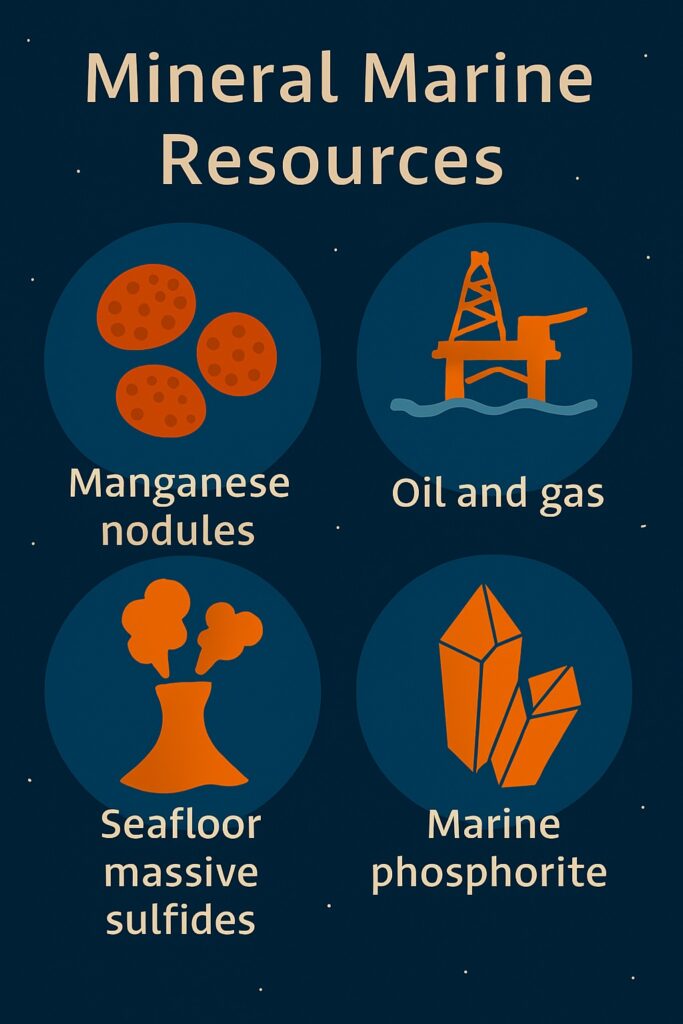
Types of Mineral Marine Resources
- Precious Metals: The ocean is believed to contain vast deposits of precious metals, including gold, silver, and platinum, which are valuable for their use in jewelry, electronics, and other applications.
- Minerals: The ocean is also rich in minerals such as iron, copper, and manganese, which are important for the production of steel and other construction materials.
- Energy Resources: The ocean contains significant deposits of energy resources, such as oil and natural gas, which play a crucial role in global energy production and are critical for supporting modern societies.
Exploration and Extraction of Mineral Marine Resources
Exploring and extracting mineral marine resources is a complex and challenging process, requiring advanced technologies and specialized knowledge.
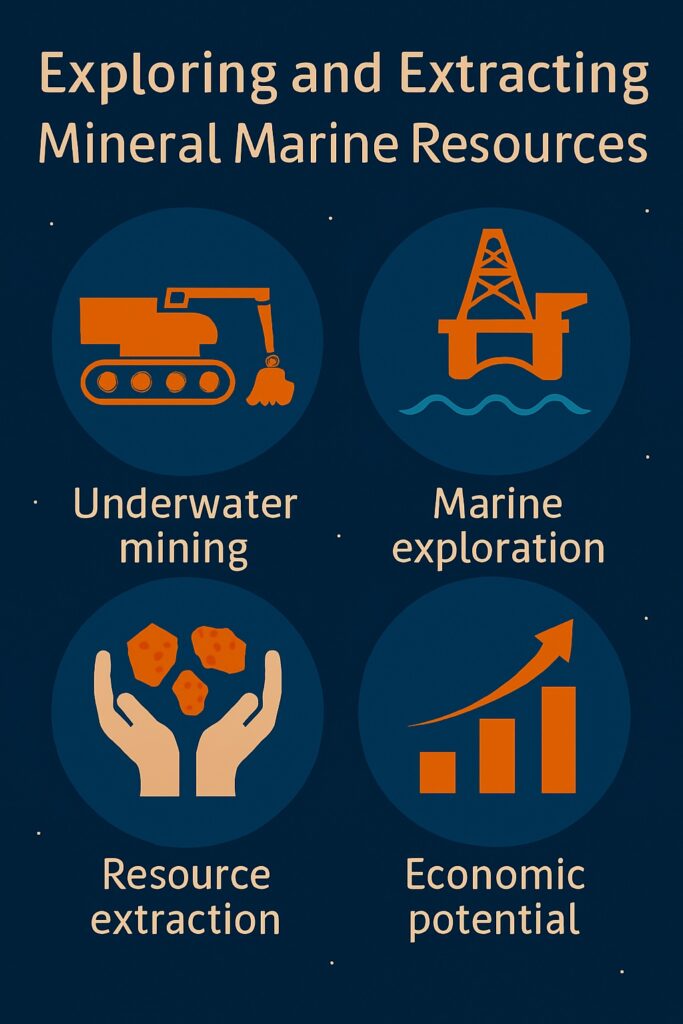
The main challenges associated with exploring and extracting mineral marine resources are:
- Technical Challenges: The ocean environment is harsh and unpredictable, and exploring and extracting mineral marine resources requires specialized technologies and techniques to ensure safe and effective operations.
- Environmental Challenges: The extraction of mineral marine resources can have negative impacts on the ocean environment, including the release of pollutants and the destruction of critical habitats.
- Economic Challenges: The high cost of exploring and extracting mineral marine resources can be a barrier to development, and uncertain market conditions and regulatory environments can also impact investment in these resources.
Conserving and Managing Mineral Marine Resources
To ensure the sustainability and continued availability of mineral marine resources, it is critical that we take steps to conserve and manage these resources.
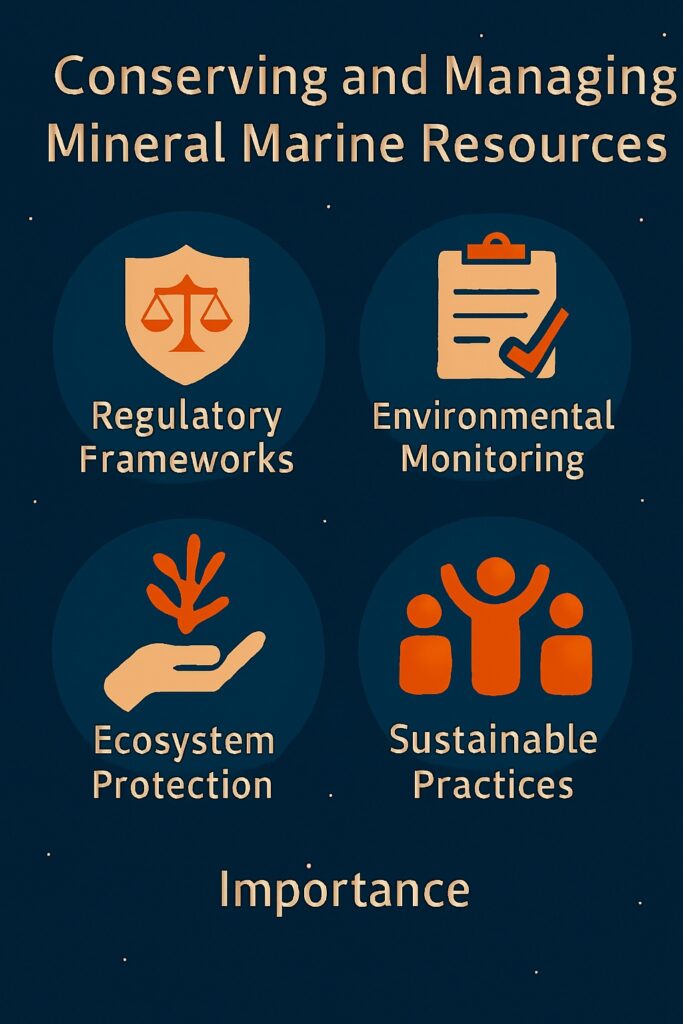
Some of the key strategies for conserving and managing mineral marine resources are:
- Implementing sustainable extraction practices: Minimize the impact on the ocean environment and ensure safe and responsible extraction.
- Reducing ocean pollution: Mitigate pollution through plastic reduction, recycling initiatives, and strict policies to prevent oil spills.
- Supporting research and monitoring: Better understand the ecological impacts of extraction activities to inform effective management policies.
- Encouraging investment in new technologies: Support innovative approaches that improve extraction safety and efficiency while lowering environmental footprints.
Conclusion
Mineral marine resources play a critical role in supporting human development and economic growth, and are an essential component of the ocean's ecosystem. However, exploring and extracting these resources poses technical, environmental, and economic challenges. To ensure the conservation and management of these resources, it is critical that we take action to address these challenges and implement strategies to conserve and manage these resources for future generations.