Urbanization is the process of increasing urban population driven by rural-to-urban migration. While urbanization can lead to economic development and improved quality of life, it also brings significant structural challenges.
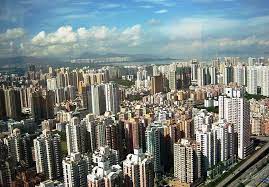
Problems of Urbanization
- Overcrowding: High population density resulting from rural-to-urban migration puts immense pressure on urban infrastructure and public services.
- Housing Shortage: Rapid population growth drives high demand for housing, but supply lags behind, causing soaring costs and homelessness.
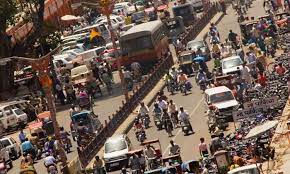
- Traffic Congestion: An increasing number of vehicles leads to severe traffic bottlenecks, prolonged commute times, and elevated air pollution.
- Environmental Degradation: Urban expansion causes air and water pollution, deforestation, and serious ecological strain.
Remedies of Urbanization
- Urban Planning: Developing comprehensive master plans covering land use, transportation, and housing to accommodate growing populations.
- Infrastructure Development: Government investment in robust public transportation, clean water supplies, and efficient waste management systems.
- Affordable Housing: Providing affordable housing solutions and leveraging public-private partnerships to bridge the housing gap.
- Sustainable Development: Mitigating environmental impacts by promoting renewable energy, sustainable transport, and green infrastructure.
- Education and Awareness: Running campaigns to educate citizens on sustainable living, waste reduction, and community development.

Conclusion
Urbanization is a complex process presenting both benefits and severe challenges. Through strategic urban planning, infrastructure investment, affordable housing initiatives, and sustainable development, cities can successfully manage population growth and enhance resident well-being.
Quick Knowledge Check
Answer the questions to test your understanding
Important Links