Rostow Model of Stages of Growth was developed by American economist Walt Whitman Rostow in the 1950s. It describes the stages through which countries pass as they undergo economic growth and development. The model is based on the premise that countries progress through a series of distinct stages, each having specific economic activities and patterns of development.
Stages of Growth
- Traditional Society
- Preconditions for Take-off
- Take-off
- Drive to Maturity
- Age of High Mass Consumption
This is the initial stage having an agrarian economy with traditional farming methods and low levels of technology and productivity. The society is largely rural, with limited urbanization and little industrialization. Economic activities are mainly subsistence-based, and there is little surplus for investment or savings.
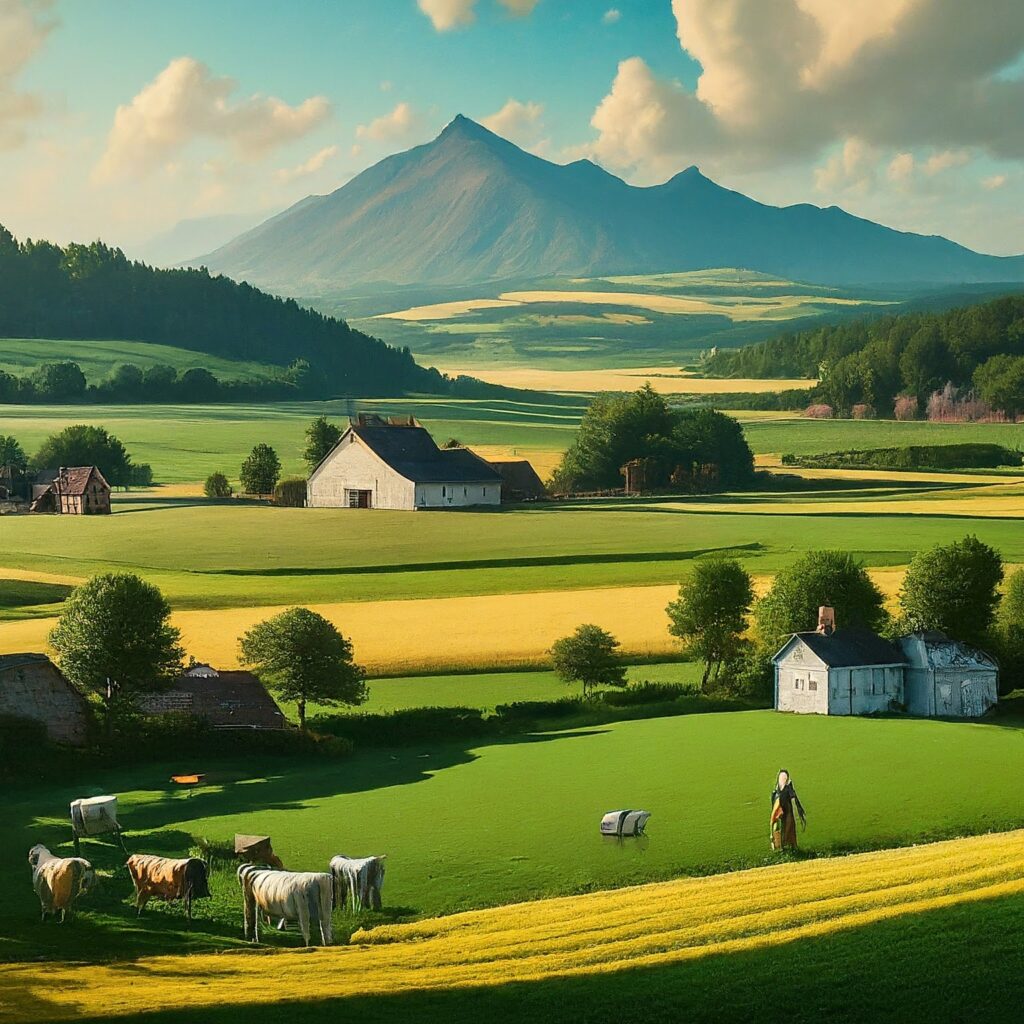
In this stage, the economy begins to undergo significant changes and transitions. There is an increase in agricultural productivity due to the adoption of modern farming techniques. Infrastructure development, such as transportation and communication networks, begins to improve, facilitating economic growth and trade. Urbanization and industrialization start to accelerate, with the emergence of manufacturing industries and a shift away from agriculture as the primary source of employment.
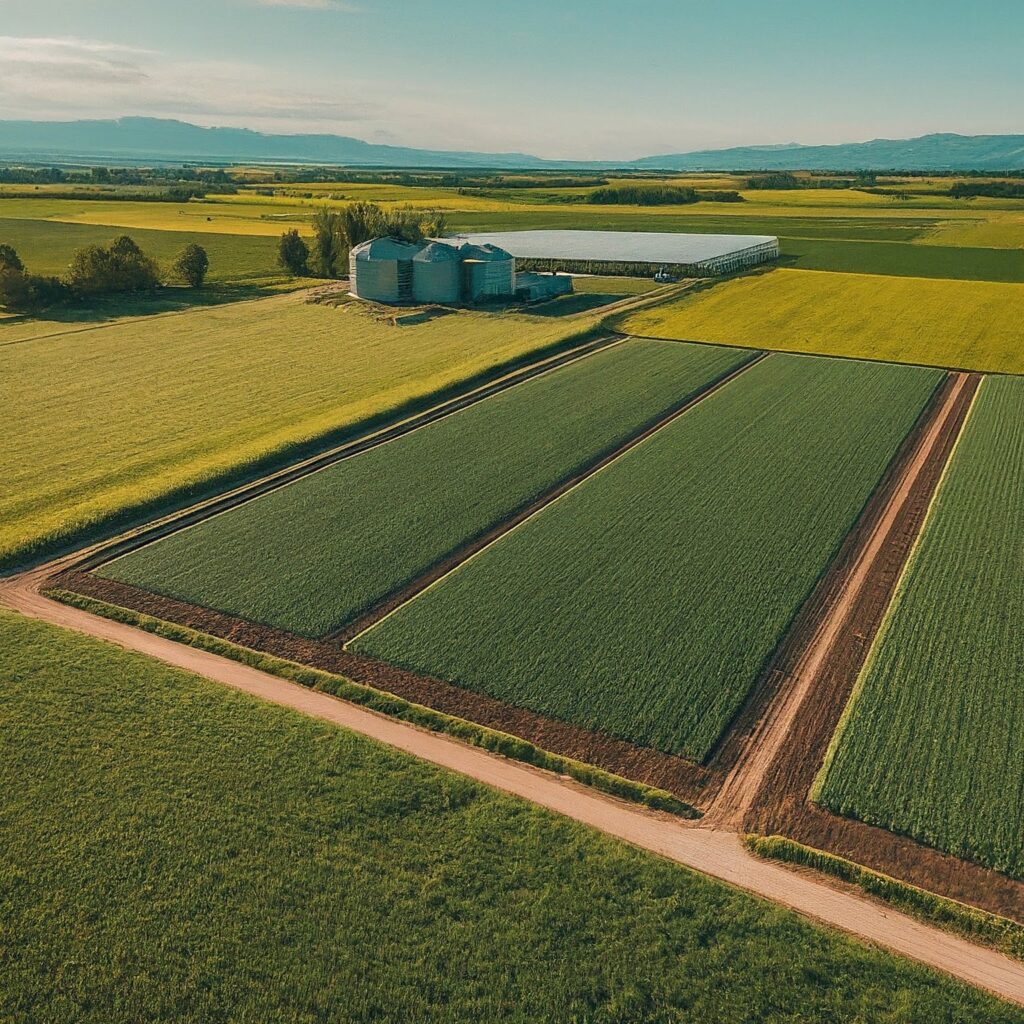
The take-off stage represents a turning point in economic development, marked by rapid industrialization, urbanization, and technological advancements. Manufacturing industries expand rapidly, fueled by investments in capital-intensive production processes and the adoption of new technologies. The economy experiences sustained growth rates, and per capita income rises significantly. The take-off stage is often characterized by structural changes in the economy, with a shift from agrarian-based to industrial-based production.
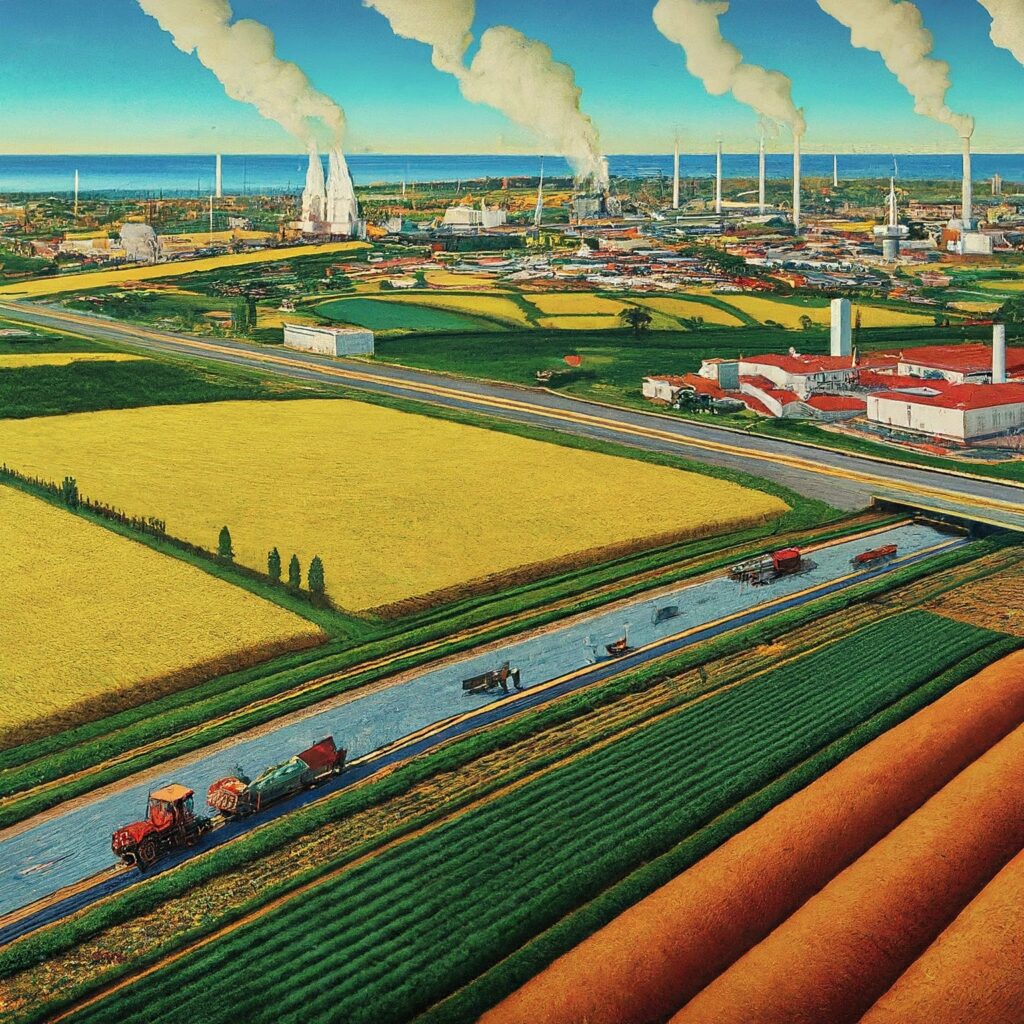
During this stage, the economy continues to grow and diversify, with further advancements in technology and industrialization. There is a consolidation of industries, increased specialization, and the development of a more sophisticated financial sector. Education, healthcare, and social infrastructure improve, leading to higher living standards and increased human capital. The economy becomes more integrated into the global economy through international trade and investment.
The final stage having widespread affluence, high levels of consumption, and a mature industrial economy. Living standards rise, and there is a shift towards a service-based economy, with increased demand for consumer goods and services. The economy experiences stable growth, high levels of employment, and a well-developed social welfare system. Innovation and technological advancements continue to drive economic growth and prosperity.

Rostow Model of Stages of Growth – Examples
| Stage | Example 1 | Example 2 |
|---|---|---|
| Traditional Society | Ethiopia | Afghanistan |
| Preconditions for Take-off | Bangladesh | Nigeria |
| Take-off | India | Brazil |
| Drive to Maturity | Japan | Germany |
| Age of High Mass Consumption | United States | United Kingdom |
Criticism of Rostow Model of Stages of Growth
- Rostow’s model oversimplifies the complex process of economic development, presenting it as a linear progression through distinct stages.
- It disregards the influence of cultural, historical, and political factors on economic growth, assuming a universal path to development.
- The model fails to address disparities in wealth and income distribution within and between countries, overlooking the unequal impact of development policies.
- Reflecting a Western-centric perspective, the model assumes that the path to development mirrors the experiences of Western industrialized nations.
- It may not be applicable to all countries and regions, as it does not account for diverse economic, social, and environmental conditions.
- The model does not allow for deviations or alternative paths to development, disregarding the possibility of non-linear trajectories of economic growth.
Critical Evaluation
Rostow’s model has been subject to criticism for its linear and deterministic view of economic development, as well as its oversimplification of the complexities involved in the process of growth and development. Nonetheless, it has been influential in shaping thinking about economic development and remains a useful framework for understanding the general patterns of economic growth experienced by countries over time.
Key Takeaway
Walt Rostow’s Stages of Growth model (1950s) outlines five sequential stages—Traditional Society, Preconditions for Take-off, Take-off, Drive to Maturity, and Age of High Mass Consumption—through which economies are said to progress. While widely influential, the model has been criticized for its linear, Western-centric assumptions and its failure to account for cultural, historical, political, and distributional complexities. It nevertheless remains a useful conceptual framework for understanding broad patterns of economic development.