Denudation is a geological term used to describe the processes of erosion, weathering, and transportation that shape the Earth's surface over time. Denudation chronology is the study of the history and timing of these processes, and it is an important field within geomorphology. Understanding the denudation chronology of a region provides valuable insights into the geology, geomorphology, and evolution of the Earth's surface.
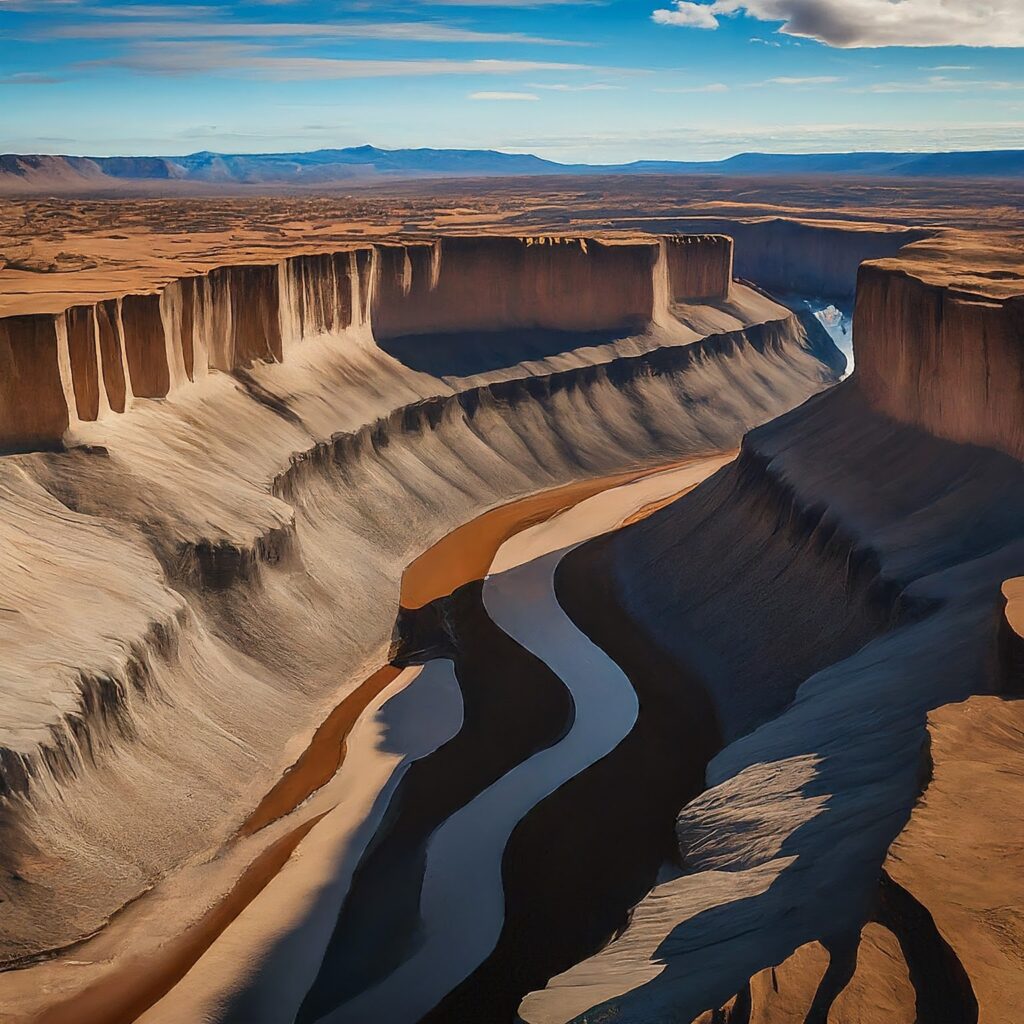
What is Denudation?
Denudation is the process of wearing away or stripping down the Earth's surface through various natural agents such as erosion, weathering, and mass wasting. It involves the gradual removal of surface materials, including soil, rock, and sediment, by physical, chemical, and biological processes.
Denudation plays a significant role in shaping landscapes over geological time scales, influencing the formation of landforms such as valleys, mountains, and plains. Factors such as climate, topography, geology, and human activities can affect the rate and intensity of denudation processes in a given area.
Agents of Denudation Process
Erosion is the removal of surface material, such as soil and rock, by natural agents such as wind, water, and ice. This process can shape landscapes, create valleys, and form coastal cliffs and beaches.
Weathering is the physical and chemical breakdown of rock and soil caused by environmental factors such as temperature changes, moisture, and biological activity. This process contributes to the formation of soil, and it also creates landscape features such as rock formations and cliffs.
Transportation is the movement of sediment from one location to another, usually by wind, water, or ice. This process is responsible for the formation of rivers, deltaic systems, and coastal sediment transport.
Significance of Denudation Chronology
Methods for Studying Denudation Chronology
There are several methods used by geomorphologists to study denudation chronology, including: