India is a country with a rich and diverse history spanning thousands of years. Its society has evolved over time, shaped by various historical events, cultural practices, and social norms. This historical perspective explores how India's complex social and cultural fabric was forged across ancient, medieval, and modern eras.
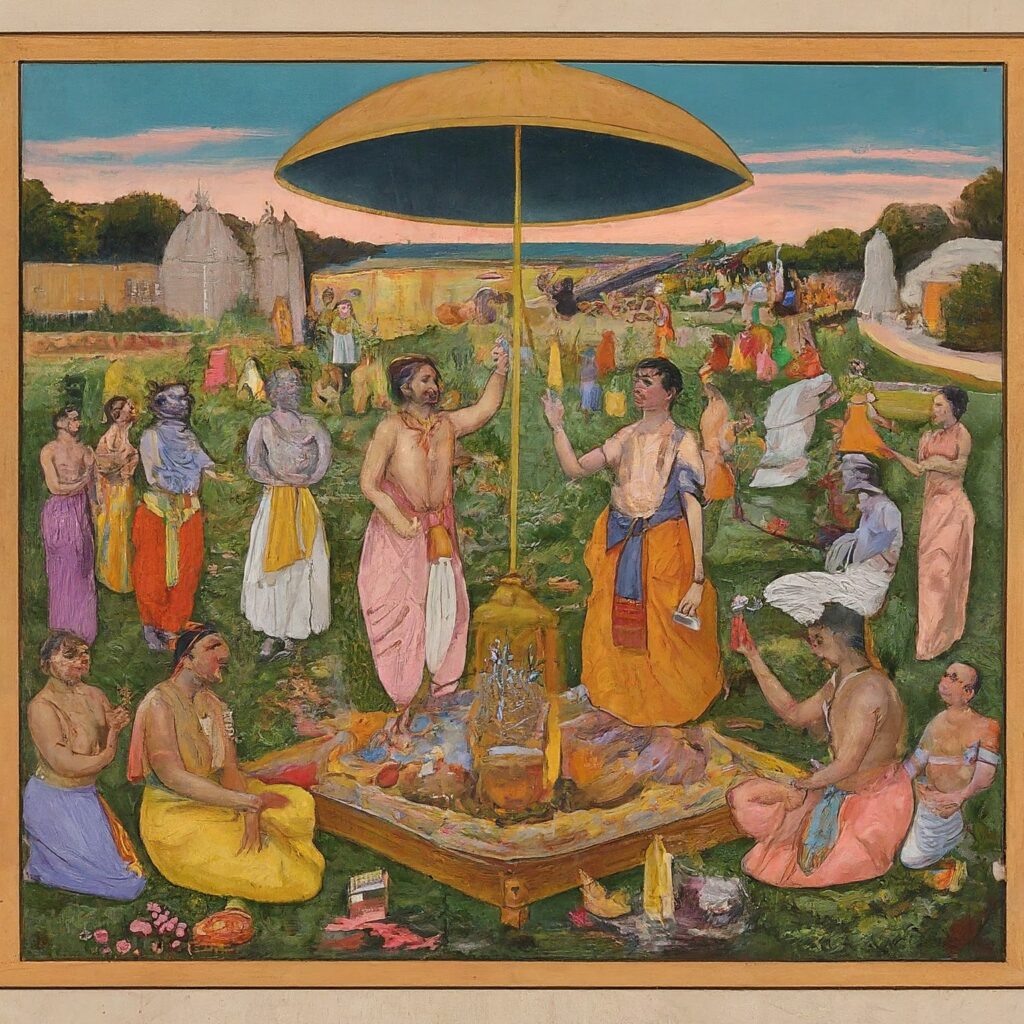
Historical Perspective of Indian Society (Ancient)
India's ancient history dates back over 5,000 years, anchored by the advanced Indus Valley Civilization. Ancient Indian society was characterized by the caste system, patriarchy with subordinate positions for women, and the dominance of religion and spirituality. While Hinduism and its emphasis on dharma and karma formed the core, Buddhism, Jainism, and Sikhism also emerged during this era. Empires like the Mauryas and Guptas flourished alongside premier centers of scholarship such as Nalanda and Takshashila.
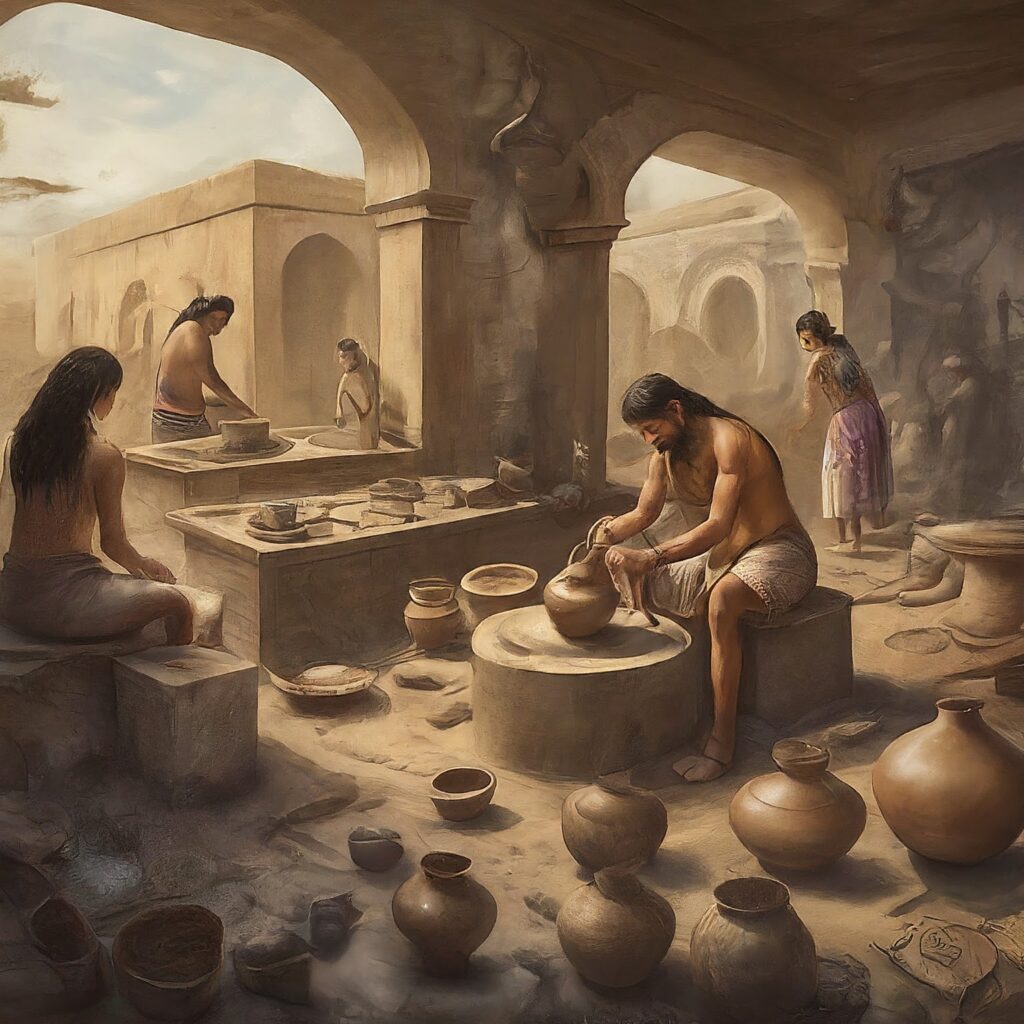
Historical Perspective of Indian Society (Medieval)
Spanning roughly from the 8th to the 18th century, the medieval period saw the rise and fall of various dynasties, including the Rajputs, Delhi Sultanate, and Mughal Empire. Although the caste system and patriarchal norms persisted, this era witnessed profound socio-religious transformations. The Bhakti and Sufi movements emerged, challenging rigid hierarchies and promoting devotion, equality, and syncretism. Islam became a major religion, and magnificent literary and artistic traditions flourished under royal patronage.
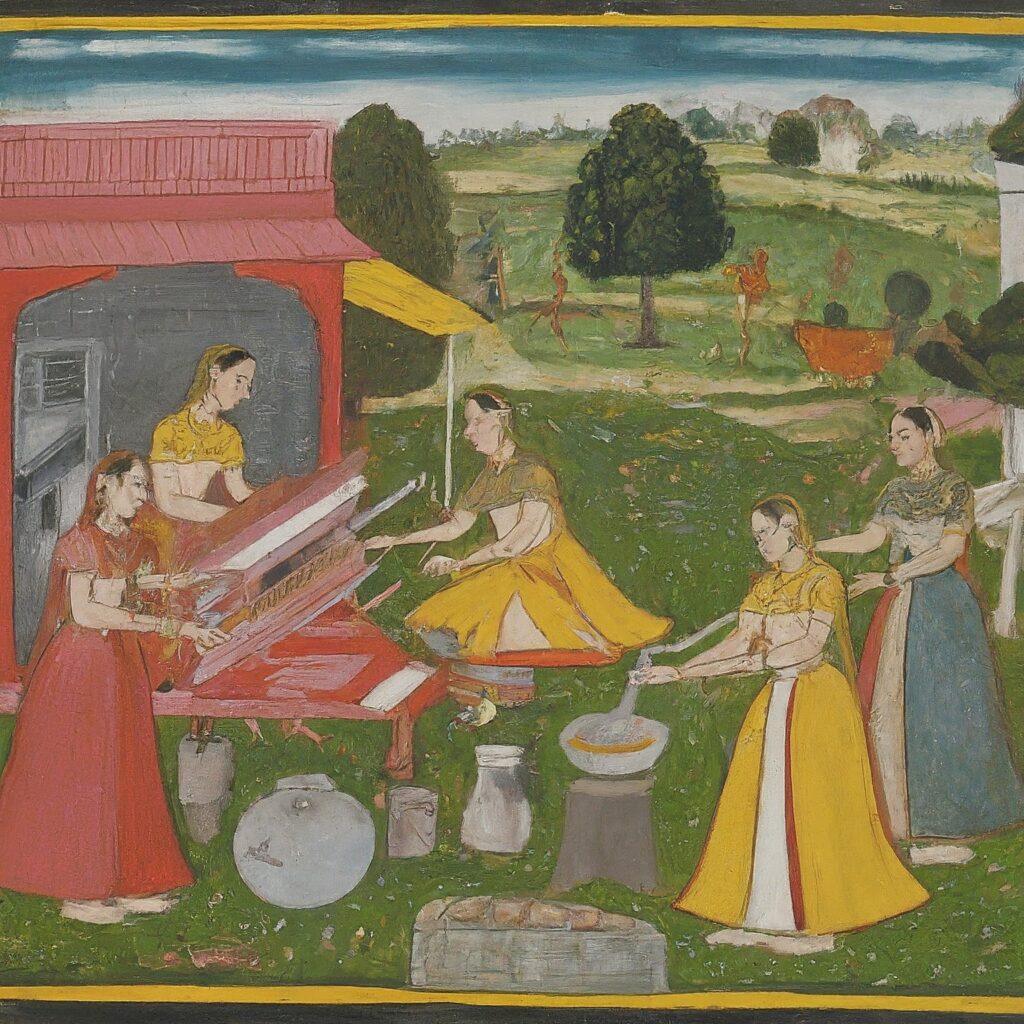
Historical Perspective of Indian Society (Modern)
Beginning with British colonial rule in the 18th century, the modern period brought Western education, new middle classes, and the monumental Indian independence movement led by Mahatma Gandhi. Post-independence, the Indian Constitution formally outlawed caste discrimination, established affirmative action, and expanded women's rights in education and employment. Despite challenges like communalism and poverty, modern India has made massive strides in technology, governance, and global cultural influence.

Current Scenario and Key Challenges
Today, Indian society is a complex mix of traditional and modern values. While legal reforms and government programs promote equality, persistent challenges remain:
- Caste System: Remnants of caste hierarchies continue to cause social exclusion and discrimination.
- Gender Inequality: Women still face discrimination, safety concerns, and systemic barriers despite rising representation.
- Poverty and Economic Inequality: Regional and group disparities in wealth, health, and education require ongoing policy intervention.
Conclusion
Indian society's long and diverse history reflects continuous adaptation across ancient, medieval, and modern eras. By embracing its rich history and promoting social and economic inclusivity, India can work toward creating a more equitable and just society for all citizens.