Urban Climate refers to the microclimate conditions found within urban areas as a result of human activities and the built environment. It encompasses factors such as temperature, humidity, precipitation, wind patterns, air quality, and the urban heat island effect.
As the population continues to grow and urbanize, cities are becoming increasingly important drivers of global climate change. The way that cities are designed and built, the energy sources they rely on, and the behaviour of the people who live in them all have a significant impact on the urban climate.
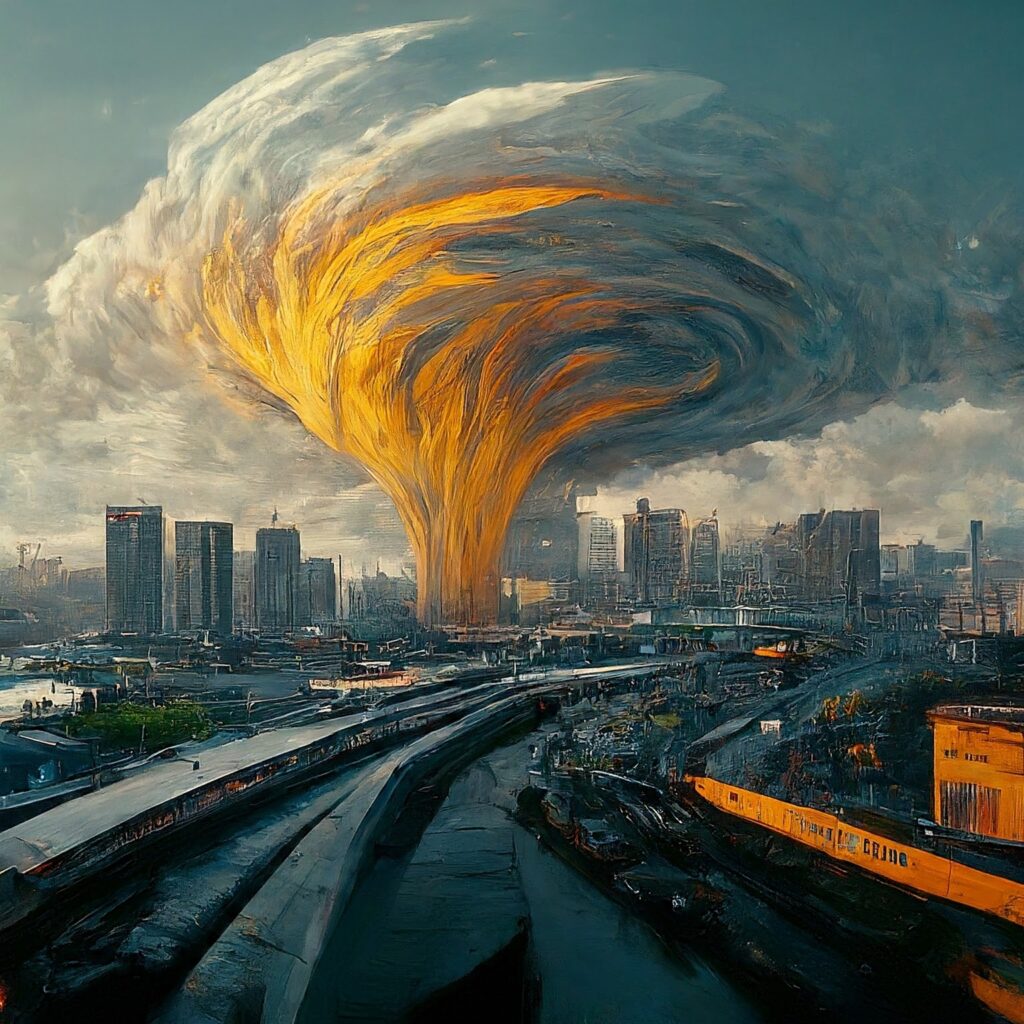
Heat Islands in Urban Climate
One of the most well-known effects of urbanization on the climate is the urban heat island (UHI) effect. Cities are typically much warmer than the surrounding rural areas due to the large amounts of concrete, asphalt, and other man-made materials that absorb and retain heat. This increased heat can have serious consequences for the health and well-being of city residents, as well as for energy use and air quality.
To mitigate the UHI effect, cities can adopt strategies such as planting trees and green roofs, using reflective building materials, and creating green spaces. These measures help reduce the amount of heat absorbed by the urban environment and create cooler, more livable cities.
Air Quality
Urban areas often experience poorer air quality compared to rural areas due to emissions from vehicles, industrial activities, and other sources of pollution. Factors such as traffic congestion, industrial emissions, construction activities, and the presence of pollutants trapped within the urban canopy layer contribute to reduced air quality, which can have adverse effects on public health and the environment.
Urbanization and Climate Change
Urbanization alters local climate patterns and can exacerbate the impacts of global climate change. As cities expand, they modify natural landscapes, disrupt hydrological cycles, and contribute to the loss of vegetation and biodiversity, leading to changes in local climate conditions. Urban areas are also vulnerable to climate change impacts such as extreme weather events, sea-level rise, and heatwaves, which can further exacerbate existing urban climate challenges.
Green Energy and Transportation
Another way that cities can impact the climate is through the energy sources they rely on and the transportation systems they use. By transitioning to renewable energy sources such as wind, solar, and geothermal, and by promoting sustainable transportation options like walking, biking, and public transportation, cities can reduce their carbon emissions and help to mitigate the effects of climate change.
Adaptation Strategies for Urban Climate
In addition to reducing emissions, cities must also be prepared to adapt to the impacts of global climate change. This might include investing in infrastructure to protect against rising sea levels, improving building codes to better withstand extreme weather events, or planning for more efficient use of water resources in the face of drought.
Key Takeaway
Urban Climate describes the distinct microclimate conditions created by human activities and the built environment within cities. Key features include the Urban Heat Island effect, poorer air quality, altered local climate patterns, and vulnerability to global climate change. Through green infrastructure, renewable energy, sustainable transport, and adaptation measures, cities can become more resilient and contribute to a sustainable future for growing urban populations.