Q1. The Vitamin responsible for anti-sterile activity is
(a) Vitamin A
(b) Vitamin B
(c) Vitamin C
(d) Vitamin D
(UPSC Prelims 1979)
Answer: (c) Vitamin C
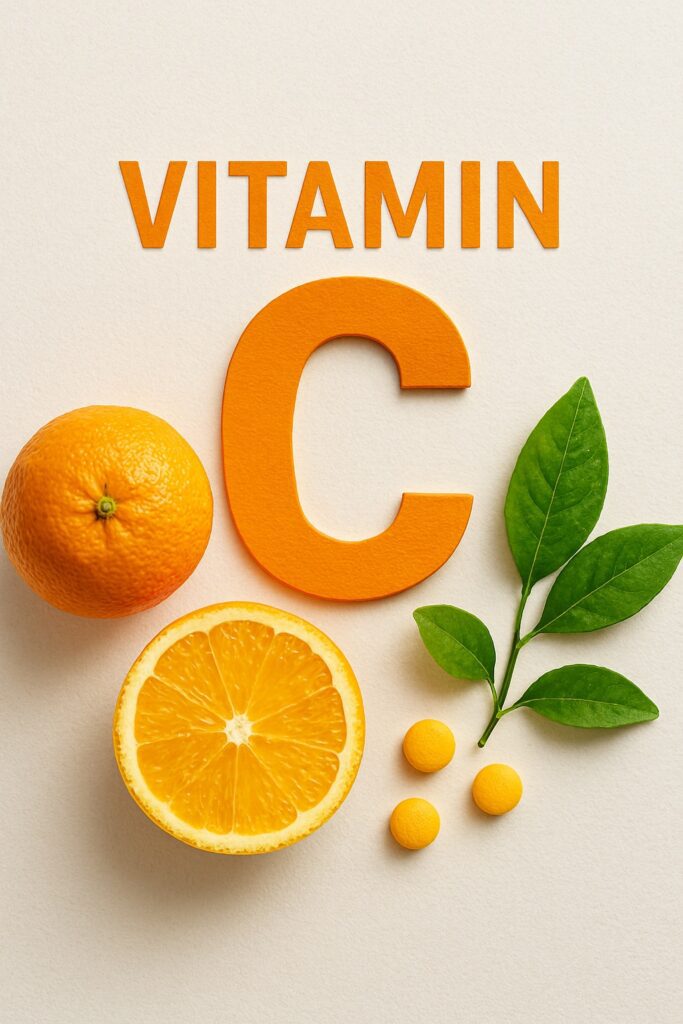
Explanation: Vitamin C plays a key role in cellular health, tissue repair, and immune function. Its antioxidant properties help prevent sterility-related conditions by maintaining reproductive tissue integrity and supporting hormonal balance.
Q2. Which of the following is a balanced fertiliser for plants?
(a) Urea
(b) Ammonia sulphate
(c) Nitrates
(d) Compost
(UPSC Prelims 1979)
Answer: (d) Compost
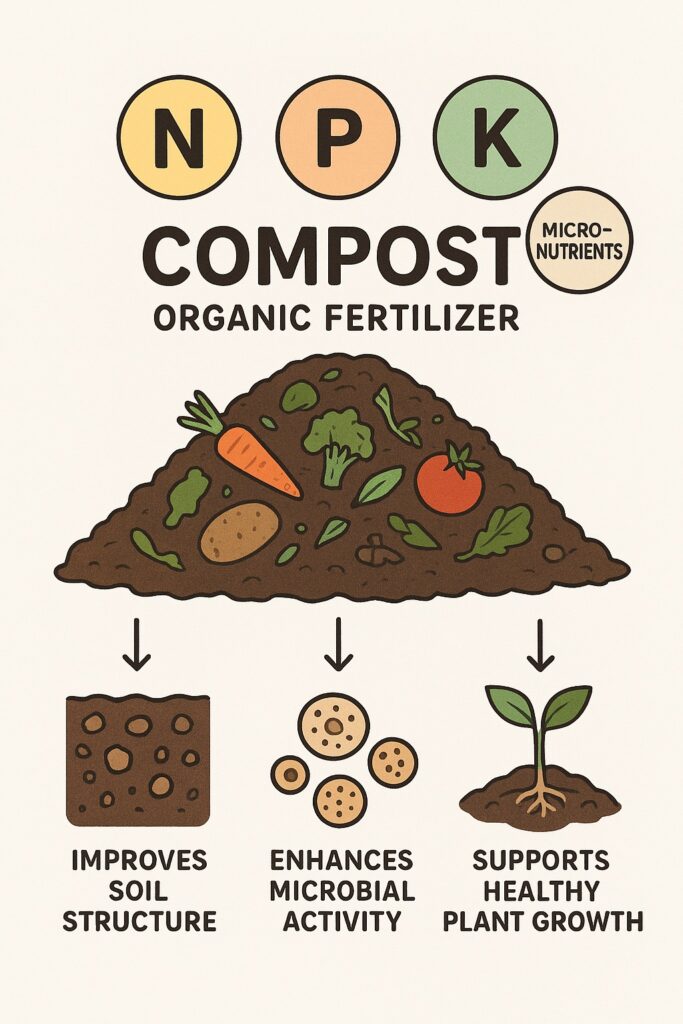
Explanation: Compost is an organic fertiliser that contains a balanced mix of nutrients, containing nitrogen, phosphorus, and potassium, along with micronutrients. It improves soil structure, enhances microbial activity, and supports sustainable plant growth.
Q3. Milk fever in cows occurs due to the lack of
(a) Phosphates
(b) Calcium
(c) Iron
(d) Iodine
(UPSC Prelims 1979)
Answer: (b) Calcium
Explanation:
Milk fever is a metabolic disorder seen in dairy cows shortly after calving, caused by a sudden drop in blood calcium levels due to high calcium demand for milk production. This leads to muscle weakness, tremors, and in severe cases, coma or death if untreated.
Q4. Carbohydrates, proteins and vitamins which are responsible for energy, growth and vitality are obtained respectively from
(a) Cereals, milk and vegetables
(b) Milk, pulses and cereals
(c) Milk, pulses and vegetables
(d) Pulses, vegetables and cereals
(UPSC Prelims 1979)
Answer: (a) Cereals, milk and vegetables
Explanation: Cereals are rich in carbohydrates, providing energy. Milk is a good source of proteins, essential for growth and tissue repair. Vegetables supply vitamins, which support vital functions and immunity.
Q5. Another name of Vitamin C is
(a) Folic acid
(b) Ascorbic acid
(c) Niacin
(d) Acetic acid
(UPSC Prelims 1980)
Answer: (b) Ascorbic acid
Explanation: Vitamin C is also known as Ascorbic acid, essential for immune function, collagen synthesis, and preventing scurvy.
Q6. The deficiency of Vitamin D causes
(a) Rickets
(b) Night blindness
(c) Pellagra
(d) Scurvy
(UPSC Prelims 1980)
Answer: (a) Rickets
Explanation:
Vitamin D deficiency leads to rickets, a condition where bones become soft and weak, especially in children, due to poor calcium absorption.

Q7. During processing and cooking which part of food is mostly destroyed ?
(a) Proteins
(b) Vitamins
(c) Carbohydrates
(d) Fats
Answer: (b) Vitamins
Explanation: Vitamins are sensitive to heat, light, and air, and are often destroyed during cooking, especially water-soluble vitamins like Vitamin C and B-complex.
Q8. Rickets is caused due to
(a) Deficiency of Vitamin A
(b) Deficiency of Vitamin D
(c) Deficiency of Vitamin C
(d) Low intake of proteins
(UPSC Prelims 1981)
Answer: (b) Deficiency of Vitamin D
Explanation: Rickets is a disease that affects bone development in children, caused by Vitamin D deficiency. It leads to soft and weak bones, bowed legs, and skeletal deformities due to impaired calcium absorption.
Q9. Why mothers feed the child with Vitamin A ?
(a) To prevent rickets
(b) To prevent beri-beri
(c) To prevent night blindness
(d) To prevent polio
(UPSC Prelims 1981)
Answer: (c) To prevent night blindness
Explanation: Vitamin A is essential for maintaining healthy vision, especially in low light. Deficiency can lead to night blindness, where the child struggles to see in dim conditions. Mothers provide Vitamin A-rich foods or supplements to prevent this condition and support eye health.
Q10. Growing children require comparatively more
(a) Proteins
(b) Carbohydrates
(c) Vitamins
(d) All of these
(UPSC Prelims 1981)
Answer: (a) Proteins
Explanation: Proteins are crucial for growth and development in children. They help build muscles, tissues, and enzymes, supporting the body’s structural and functional needs. While carbohydrates and vitamins are also important, protein demand is higher during growth phases.
Q11. Heart patients should avoid taking excess of
(a) Proteins
(b) Fats
(c) Vitamins
(d) Carbohydrates
Answer: (b) Fats
Explanation: Excessive fat intake, especially saturated and trans fats, can lead to cholesterol buildup, increasing the risk of heart disease. Heart patients are advised to consume low-fat diets to maintain cardiovascular health and prevent complications.
Q12. The deficiency of causes goitre
(a) Sulphur
(b) Iodine
(c) Calcium
(d) Vitamin A
(UPSC Prelims 1981)
Answer: (b) Iodine
Explanation: Goitre is caused by a deficiency of iodine, which is essential for the production of thyroid hormones. Without adequate iodine, the thyroid gland enlarges, leading to swelling in the neck. Iodised salt is commonly used to prevent this condition.
Q13. The rich source of iron is
(a) Eggs
(b) Green vegetables
(c) Pulses
(d) Milk
(UPSC Prelims 1982)
Answer: (b)
Explanation: Green leafy vegetables like spinach are rich in iron, which is essential for hemoglobin formation and oxygen transport in the body. They are a natural and accessible source of dietary iron.
Q14. Milk of the animals fed on grass contains large amounts of fat in
(a) Summer
(b) Winter
(c) Spring
(d) Autumn
(UPSC Prelims 1982)
Answer: (b)
Explanation: During winter, animals consume nutrient-rich grass, and their metabolism slows, leading to higher fat content in milk. Seasonal changes affect the composition of milk, especially its fat percentage.
Q15. Vitamins do not act as a/an
(a) Source of energy
(b) Stimulant in the growth of the body
(c) Agent in regulating the chemical processes in the body metabolism
(d) All of the above
(UPSC Prelims 1982)
Answer: (a)
Explanation: Vitamins are essential for regulating metabolic processes and supporting growth, but they do not provide energy. Unlike carbohydrates or fats, vitamins act as catalysts in biochemical reactions without being a direct energy source.
Q16. Ready source of energy is available for athletes in
(a) Vitamins
(b) Fats
(c) Proteins
(d) Carbohydrates
Answer: (d)
Explanation: Carbohydrates are the primary energy source for athletes, as they are quickly broken down into glucose. This fuels muscle activity and supports endurance and performance during physical exertion.
17. Match List I with List II
| List I | List II |
|---|---|
| (a) Carbohydrate | (1) It constitutes oil, ghee, butter and oil seed |
| (b) Fat | (2) Animal and vegetable tissues |
| (c) Protein | (3) Excellent source of energy, constitutes starch, sugar, etc. |
| (d) Amino acids | (4) End product of protein hydrolysis |
Select the correct answer using the codes given below:
| a | b | c | d | |
|---|---|---|---|---|
| (A) | 3 | 1 | 2 | 4 |
| (B) | 1 | 2 | 3 | 4 |
| (C) | 2 | 1 | 3 | 4 |
| (D) | 2 | 3 | 1 | 4 |
Answer: (A)
Explanation:
Carbohydrates are an excellent source of energy and include starch and sugars. Fats constitute oil, ghee, butter, and oil seeds. Proteins are major components of animal and vegetable tissues. Amino acids are the end products of protein hydrolysis.
Therefore, the correct matching sequence is 3124.
52. Match the columns:
| Column I | Column II |
|---|---|
| A. Vitamin A | 1. Beriberi |
| B. Vitamin B | 2. Rickets |
| C. Vitamin C | 3. Scurvy |
| D. Vitamin D | 4. Sterility |
| E. Vitamin E | 5. Night Blindness |
Select the correct answer using the codes given below:
| A | B | C | D | E | |
|---|---|---|---|---|---|
| (a) | 5 | 4 | 3 | 2 | 1 |
| (b) | 5 | 1 | 3 | 2 | 4 |
| (c) | 1 | 2 | 3 | 4 | 5 |
| (d) | 3 | 2 | 1 | 5 | 4 |
Answer: (b)
Explanation:
Vitamin A deficiency causes Night Blindness (A–5).
Vitamin B deficiency leads to Beriberi (B–1).
Vitamin C deficiency causes Scurvy (C–3).
Vitamin D deficiency results in Rickets (D–2).
Vitamin E deficiency is associated with Sterility (E–4).
Hence, the correct matching sequence is 51324.
Q19. Soybeans are rich in
(a) Proteins
(b) Vitamin A
(c) Minerals
(d) Carbohydrates
(UPSC Prelims 1986)
Answer: (a) Proteins
Explanation: Soybeans are a major source of plant-based protein, widely used in vegetarian diets and food processing. They contain high-quality proteins, making option (a) correct.
Q20. Which of the following inferences can be drawn from the following statement?
“A well balanced nutritious diet is essential for good athletes.” This means
(a) Bad athletes are having under-nutritious food
(b) Well-balanced diet produces good athletes
(c) Athletes should take nutritious food
(d) None of the above
(UPSC Prelims 1986)
Answer: (c) Athletes should take nutritious food
Explanation: The statement implies that nutrition is crucial for athletic performance. It does not claim causation or judgment about bad athletes, but rather emphasizes the importance of diet for athletes, making option (c) the correct inference.
Q21. A good source of Vitamin A is
(a) Carrot
(b) Potato
(c) Rice
(d) Tomato
(UPSC Prelims 1987)
Answer: (a) Carrot
Explanation: Carrots are rich in beta-carotene, a precursor of Vitamin A, which is essential for vision, immune function, and skin health. Other options contain lower levels of this nutrient.