The study of Dichotomy and Dualism is a crucial aspect in understanding the division of concepts in geography. Dichotomy refers to the division of a concept into two distinct parts, while dualism refers to the separation of two distinct concepts, providing an essential framework for analyzing physical and cultural geographical processes.
What is Dichotomy?
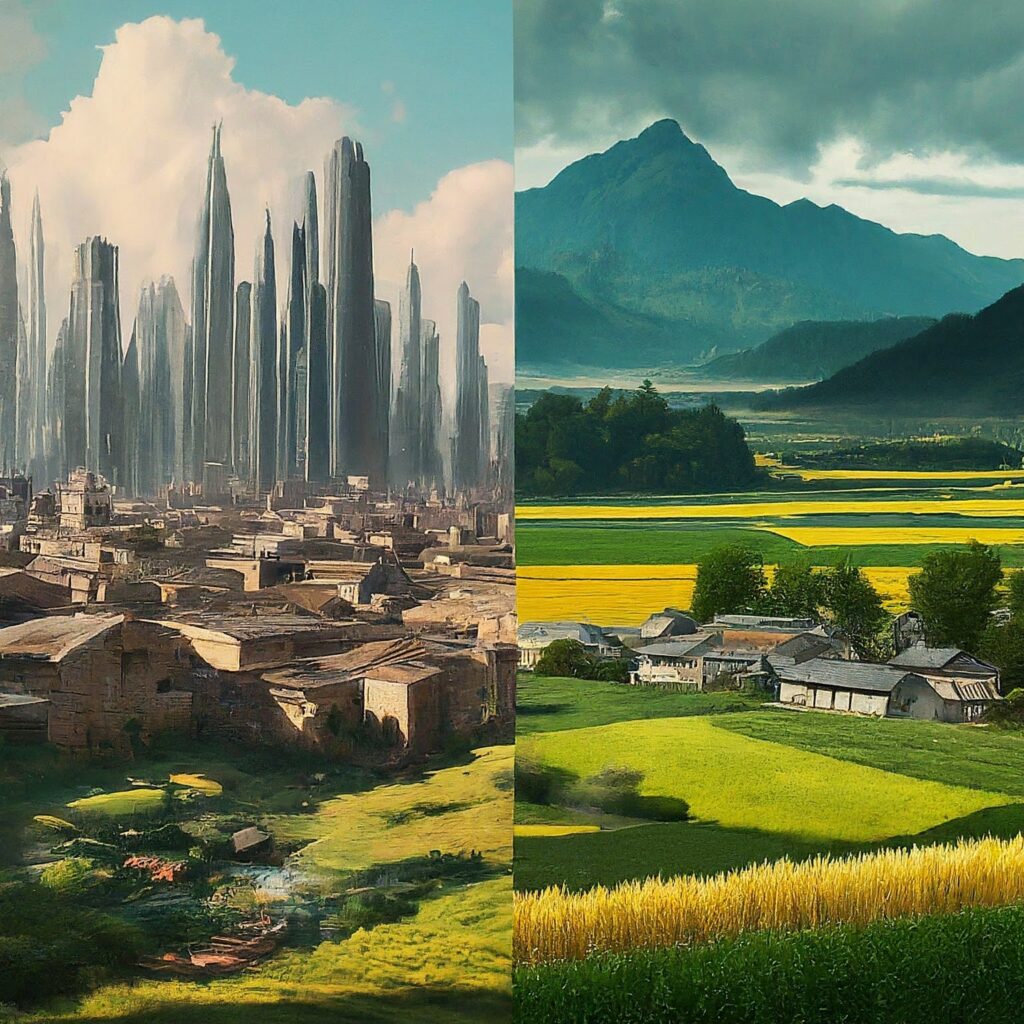
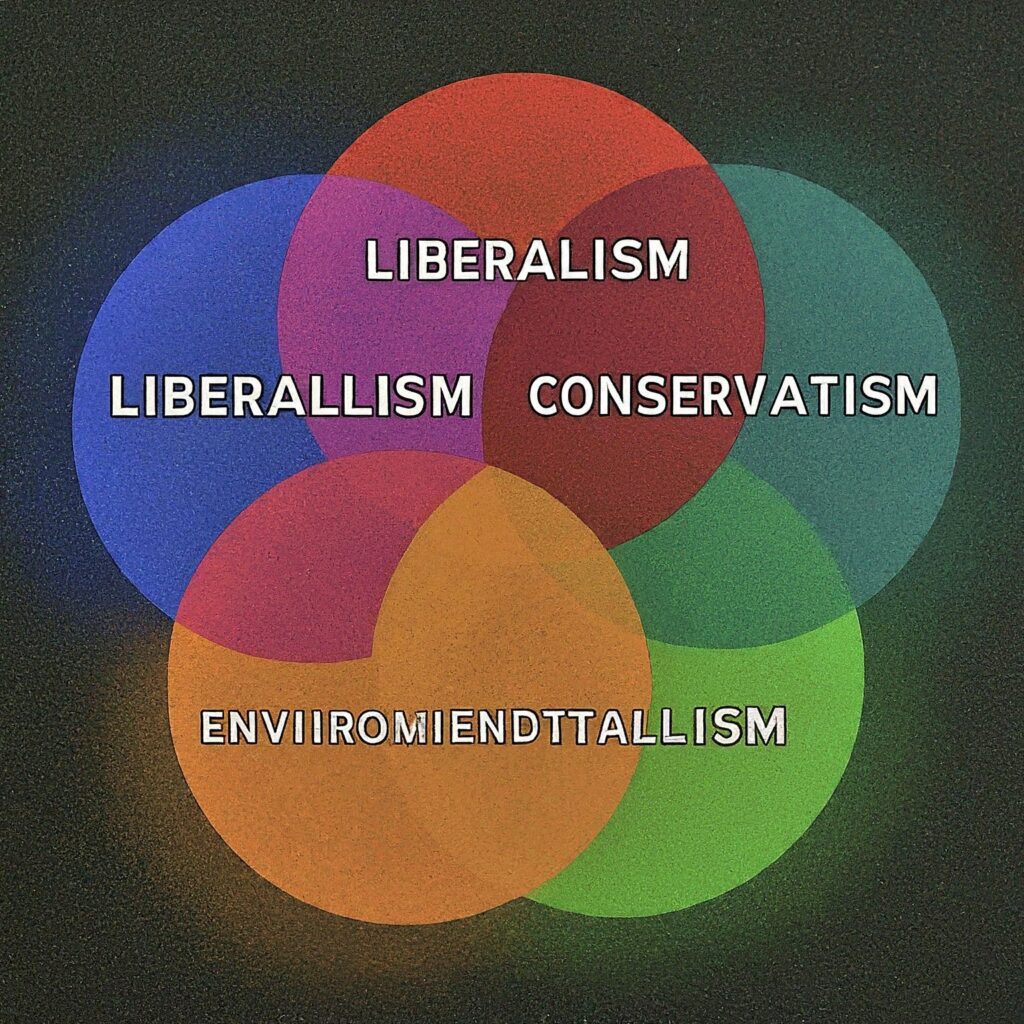
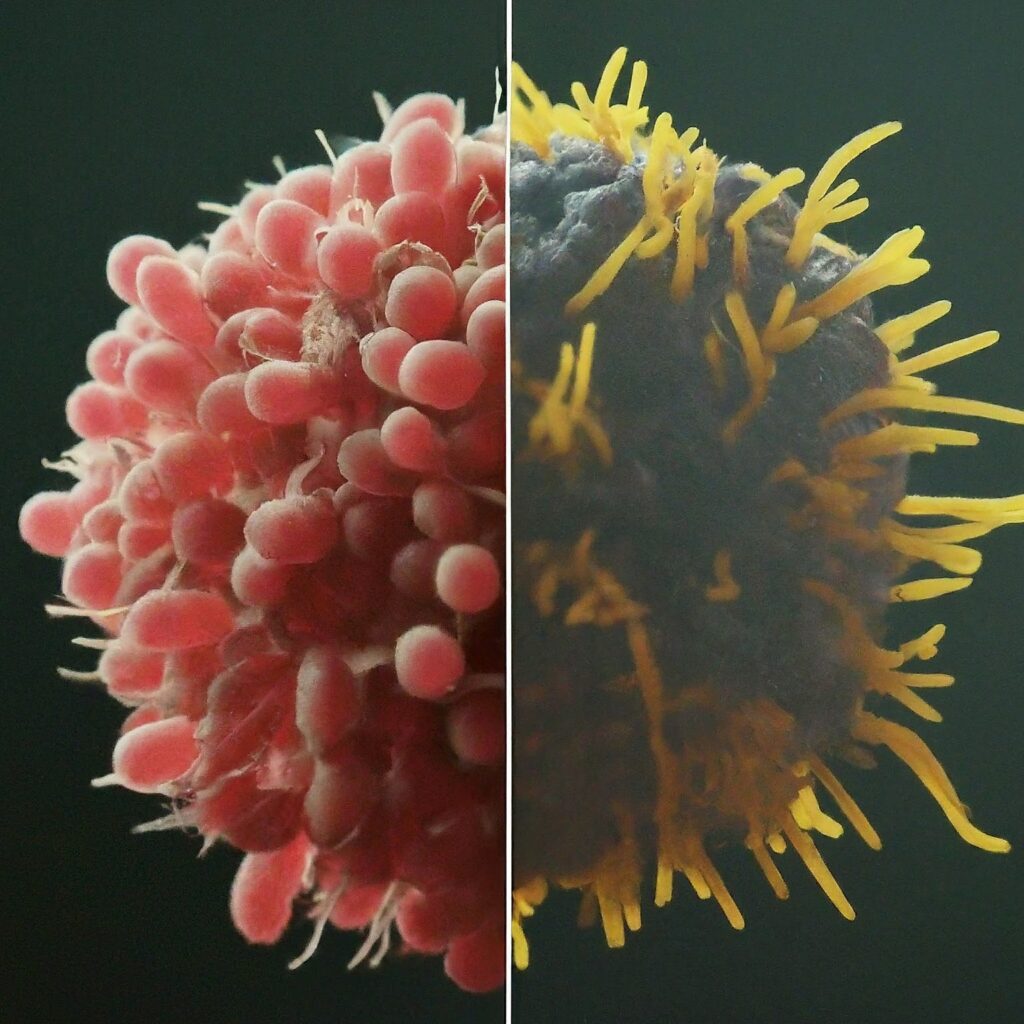
Dichotomy describes the division of a single concept into two distinct and often opposing categories or groups. Widely used across philosophy, politics, and science, it serves as a powerful classification tool (e.g., urban vs. rural settlements, left-wing vs. right-wing political ideologies, and prokaryotes vs. eukaryotes in biology). However, it must be used cautiously to avoid oversimplifying complex issues and excluding nuanced perspectives.
What is Dualism?
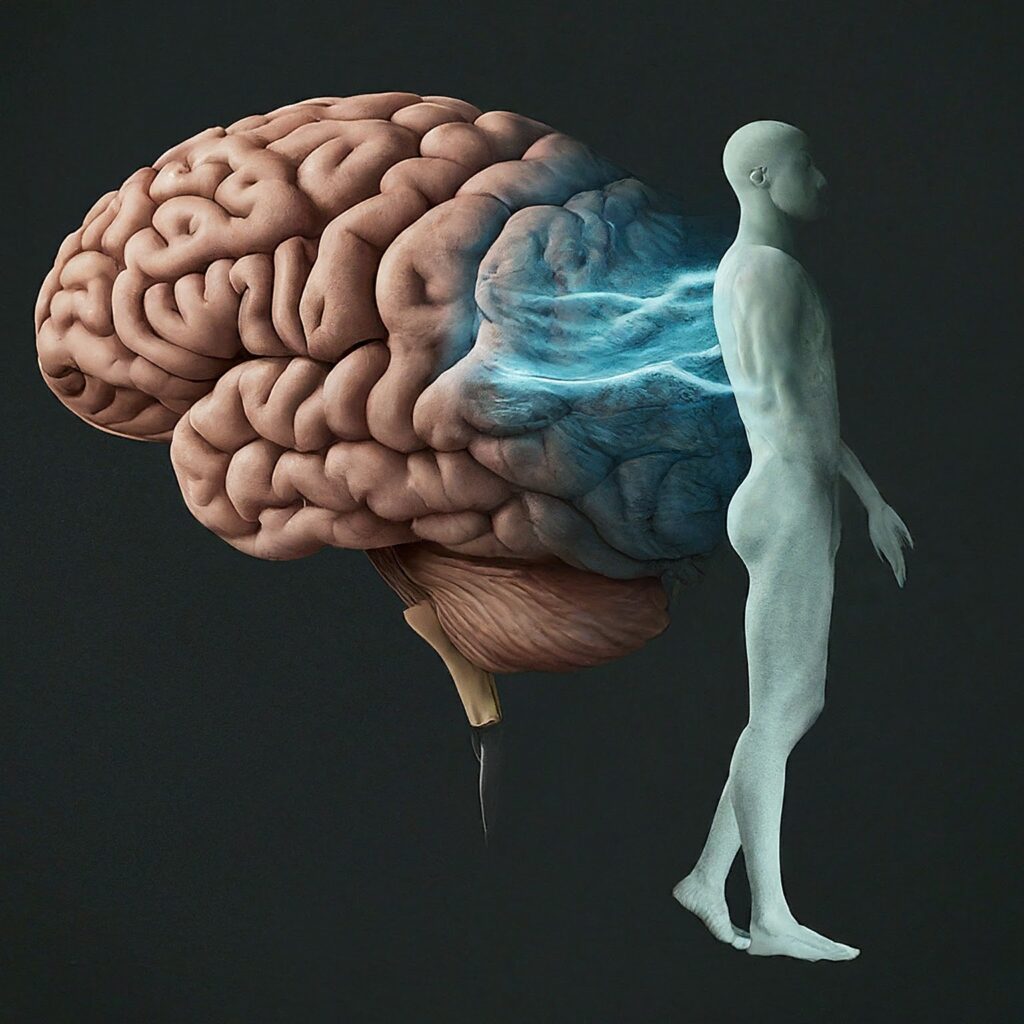
Dualism refers to the separation of two distinct concepts into separate parts that are seen as opposites or complementary (such as the dualism of natural and cultural environments). Philosophically, dualism suggests that reality is composed of two fundamentally different substances or entities (e.g., Cartesian mind-body dualism), remaining distinct even when interacting.
Why is Dichotomy and Dualism Important in Geography?
- Conceptual Categorization: Provides structured tools for categorizing and analyzing complex relationships between physical and cultural processes.
- Comparative Frameworks: Enables systematic comparative studies between regions to identify common trends and spatial patterns.
- Regional Planning: Offers a basis for understanding Earth's surface complexities to support informed decision-making and land management.
Applications of Dichotomy and Dualism in Geography
- Environmental Geography: Analyzes the relationship between natural and cultural environments (e.g., the dichotomy of wild and cultivated landscapes).
- Economic Geography: Studies relationships between economic systems, such as the dualism of market and non-market economies.
- Political Geography: Examines political systems and spatial processes, such as the dichotomy of developed and developing countries.
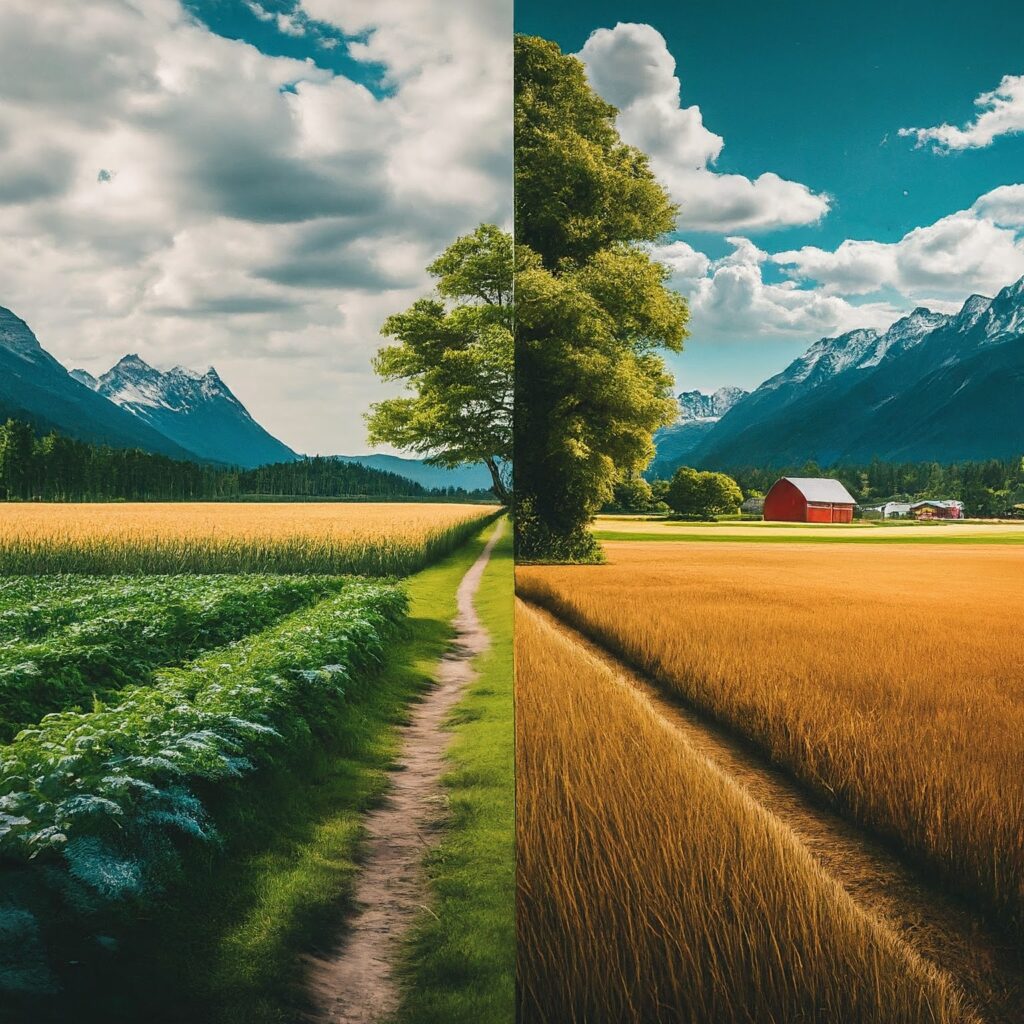
Comparison of Dichotomy and Dualism
| Basis of Comparison | Dichotomy | Dualism |
|---|---|---|
| Core Definition | Division of something into two distinct and often opposing categories or groups. | Belief that reality or a concept is composed of two fundamental, opposing principles or substances. |
| Primary Fields of Use | Used in many areas of study, including philosophy, politics, and science. | Primarily used in philosophy and theology. |
| Primary Purpose | Often used as a tool for classification and analysis. | Used to explain the nature of reality and the relationship between mind and body. |
| Classic Examples | Left-wing vs. right-wing in politics; prokaryotes vs. eukaryotes in biology. | Mind-body dualism of Descartes; good-evil dualism in religion. |
| Potential Limitations | Can oversimplify complex issues and exclude nuanced perspectives. | Can be criticized for positing an oversimplified or false view of reality. |
| Primary Focus | Focuses on the division of things into two categories. | Focuses on the relationship between two opposing principles or substances. |
Conclusion
Dichotomy and dualism are vital geographic concepts that establish a foundation for understanding conceptual divisions and environmental-cultural relationships. Through wide-ranging applications in environmental, economic, and political analysis, they empower geographers to comprehend Earth's complexities and guide sustainable regional planning.